TURN A BLIND EYE (select images)
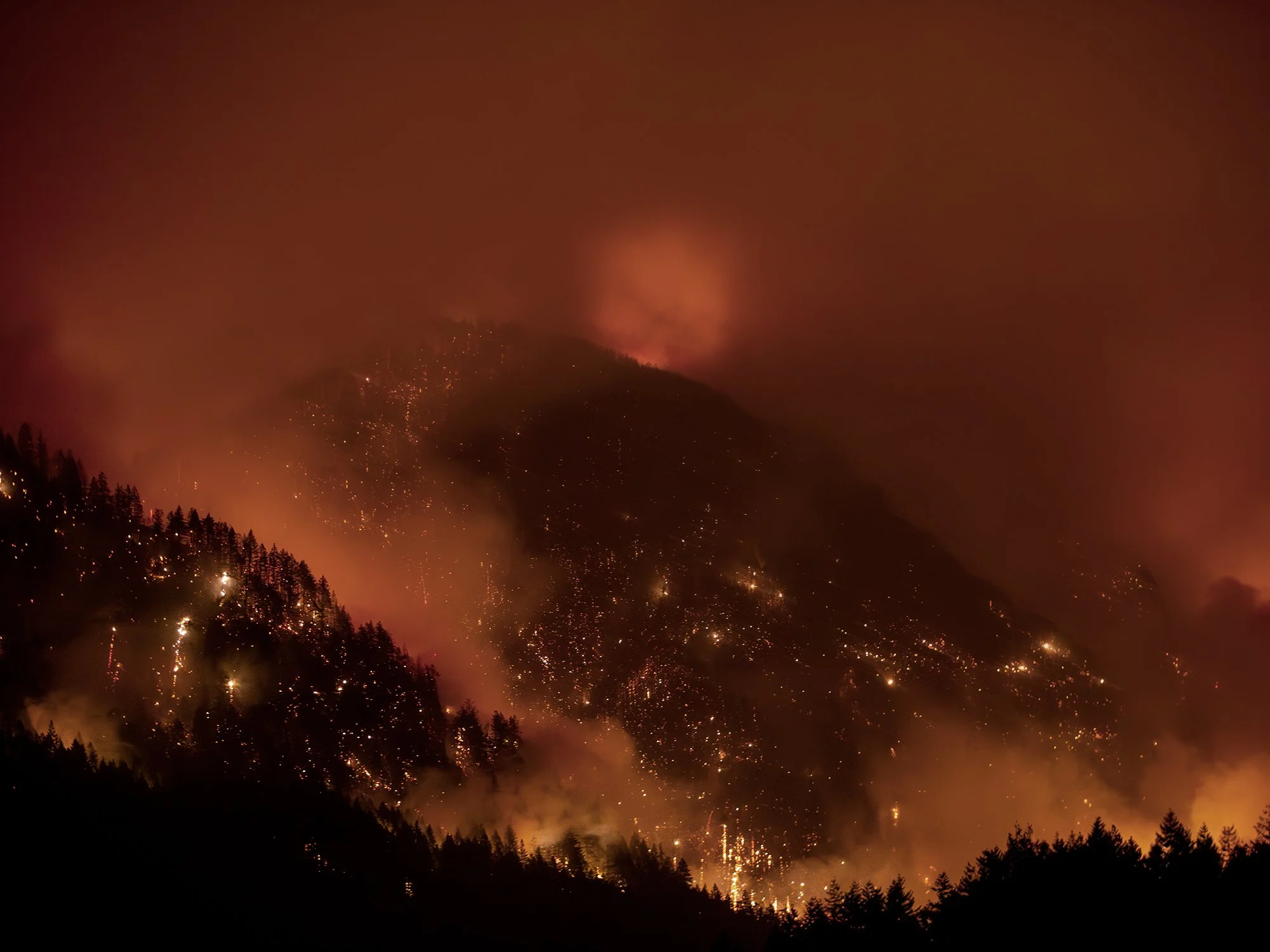
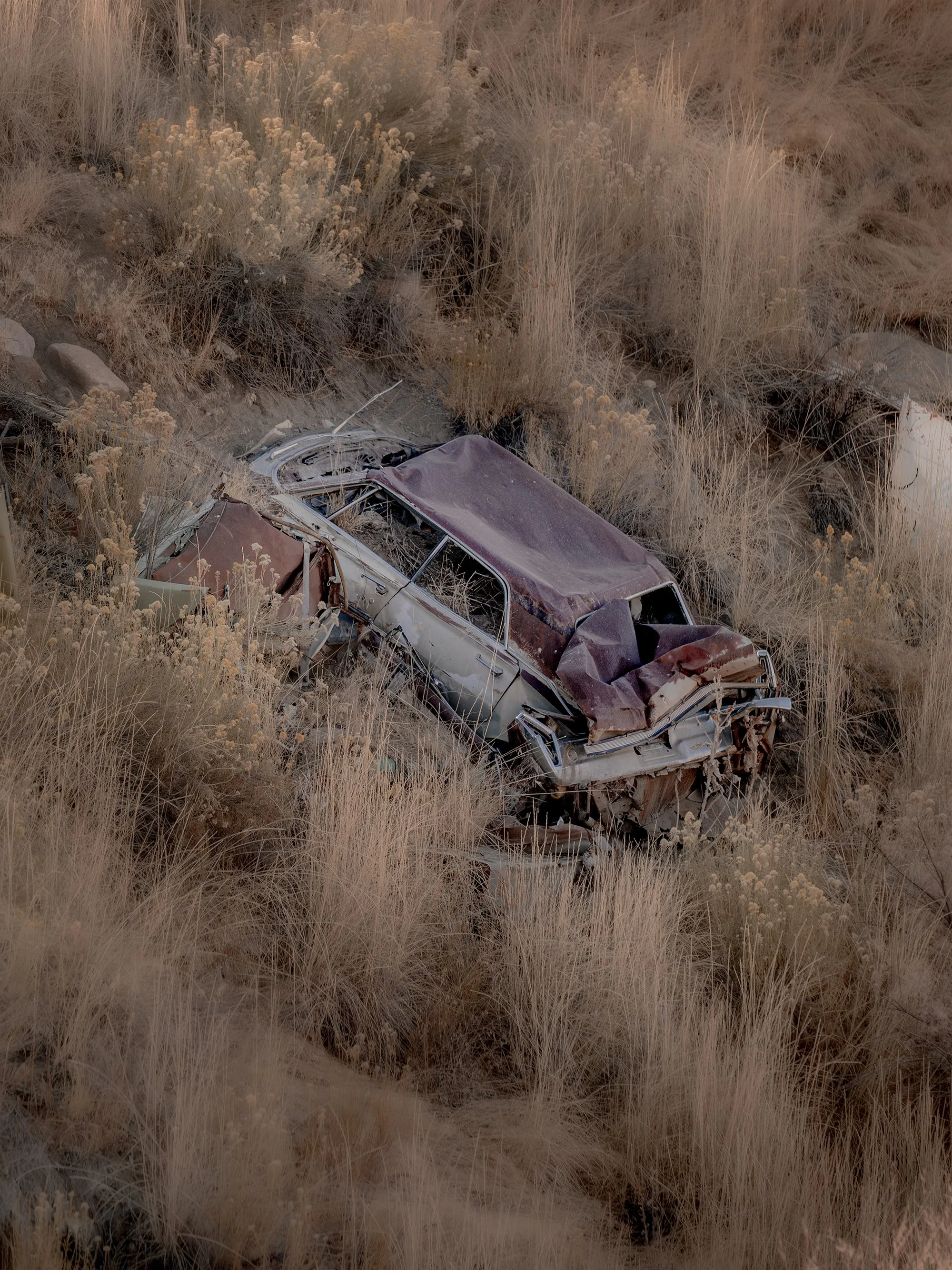
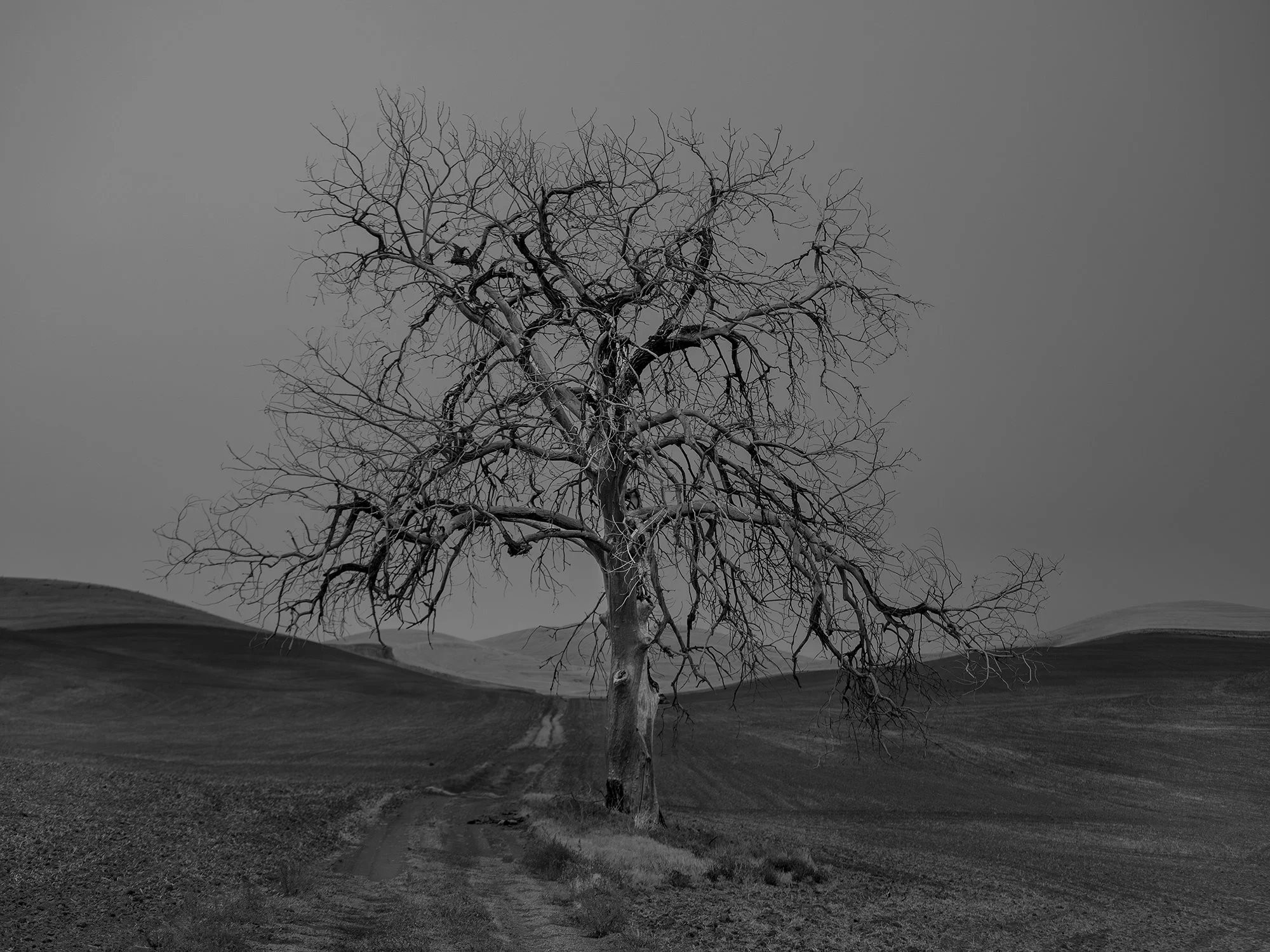
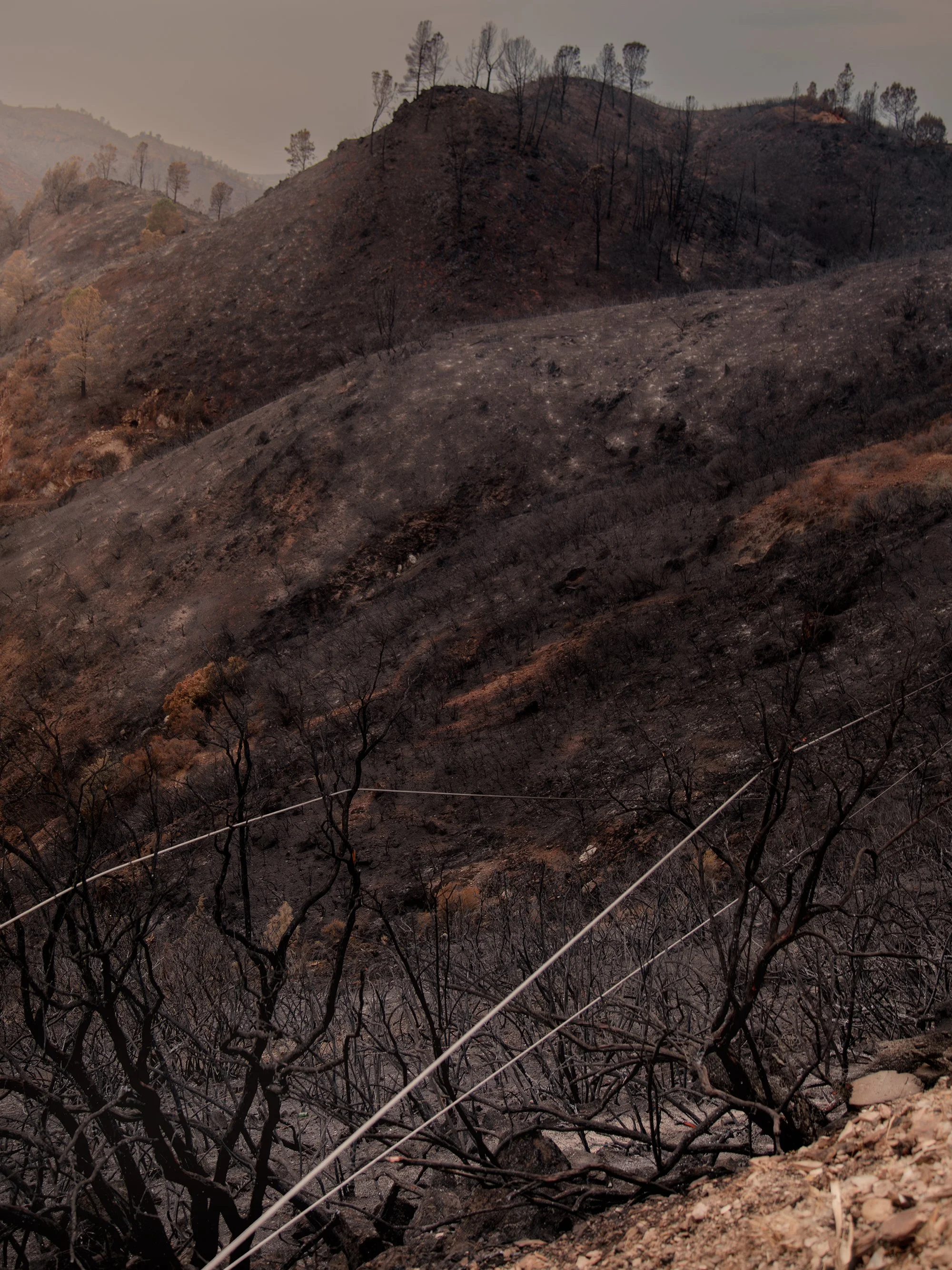
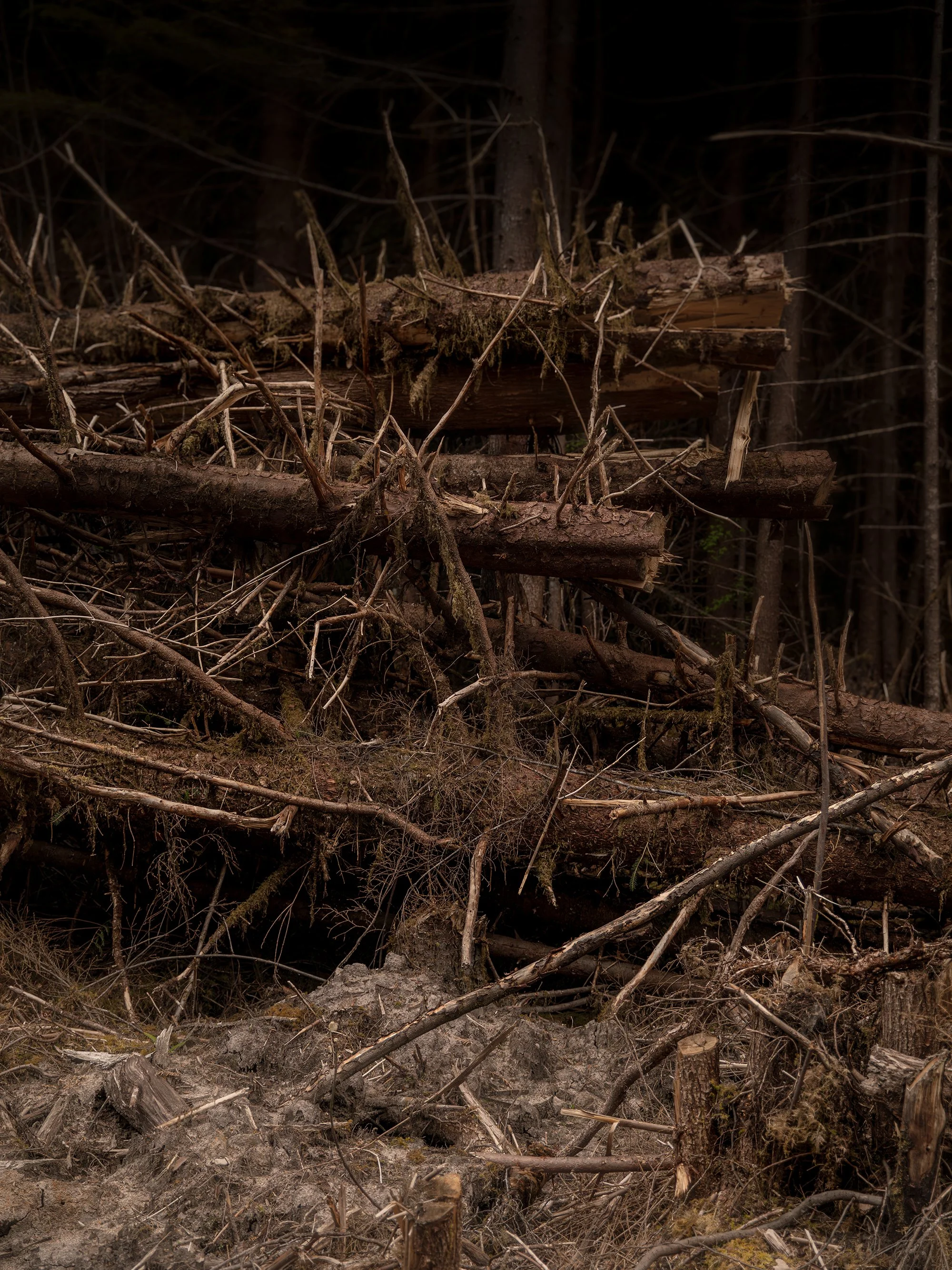
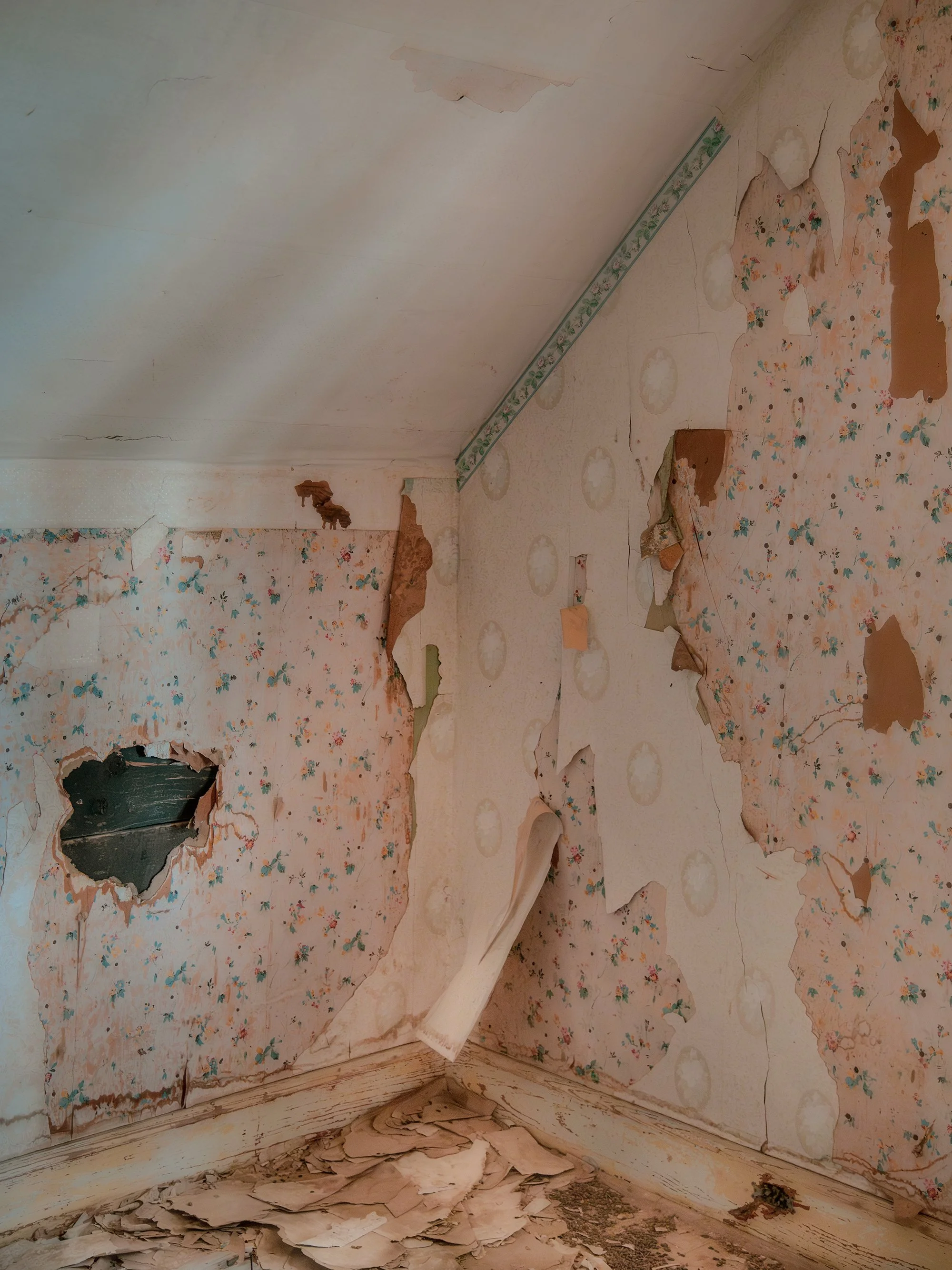
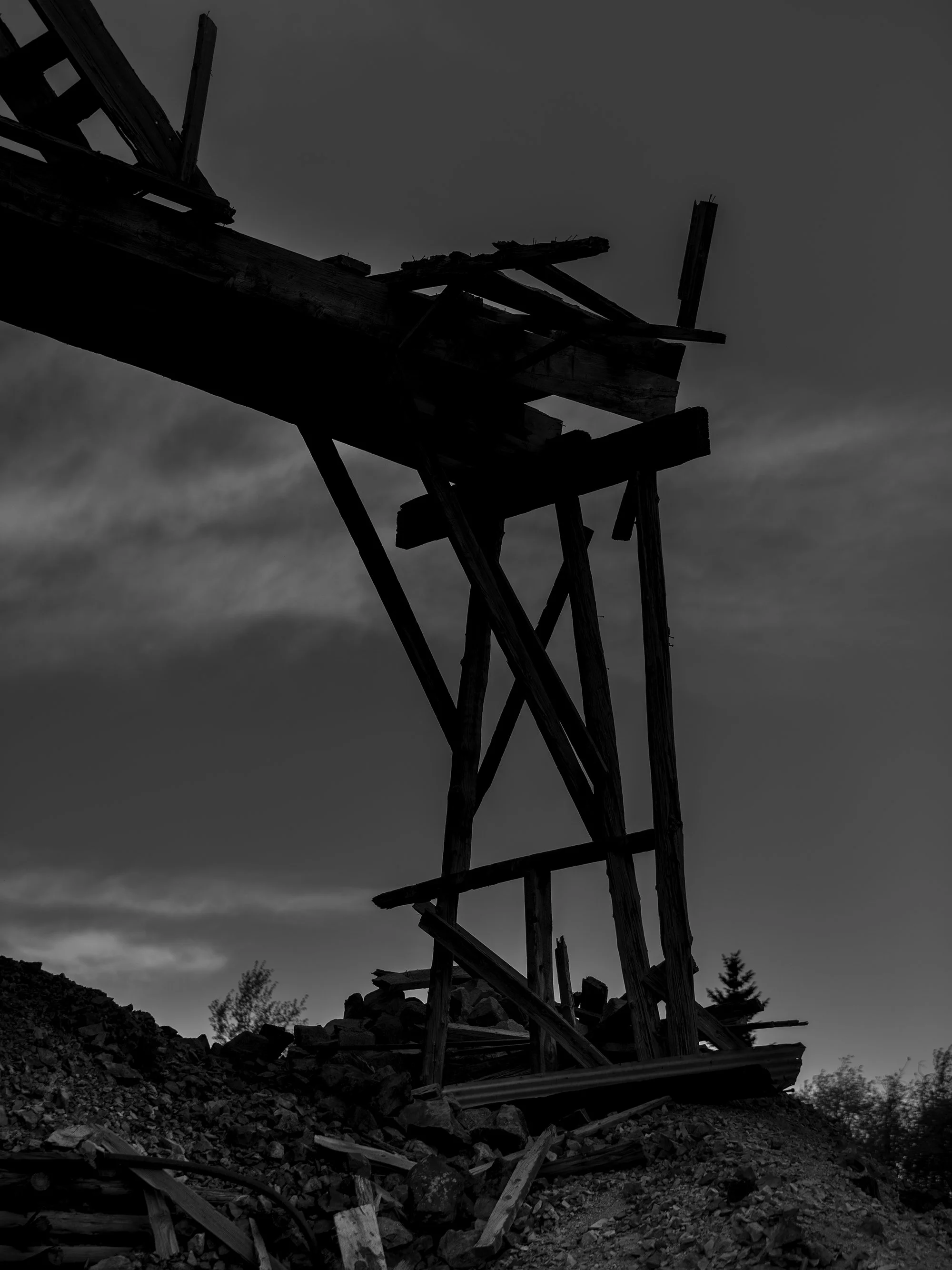
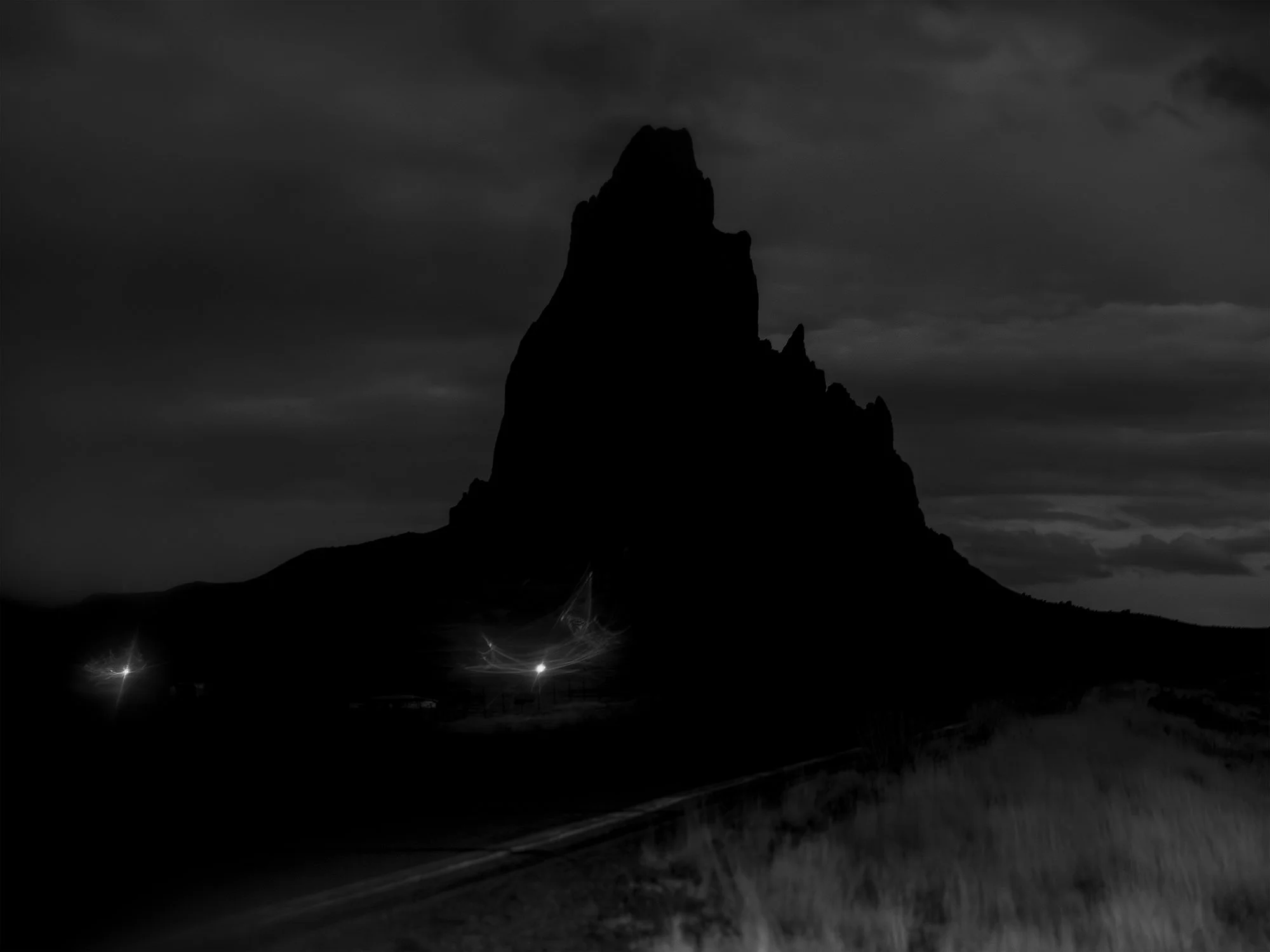
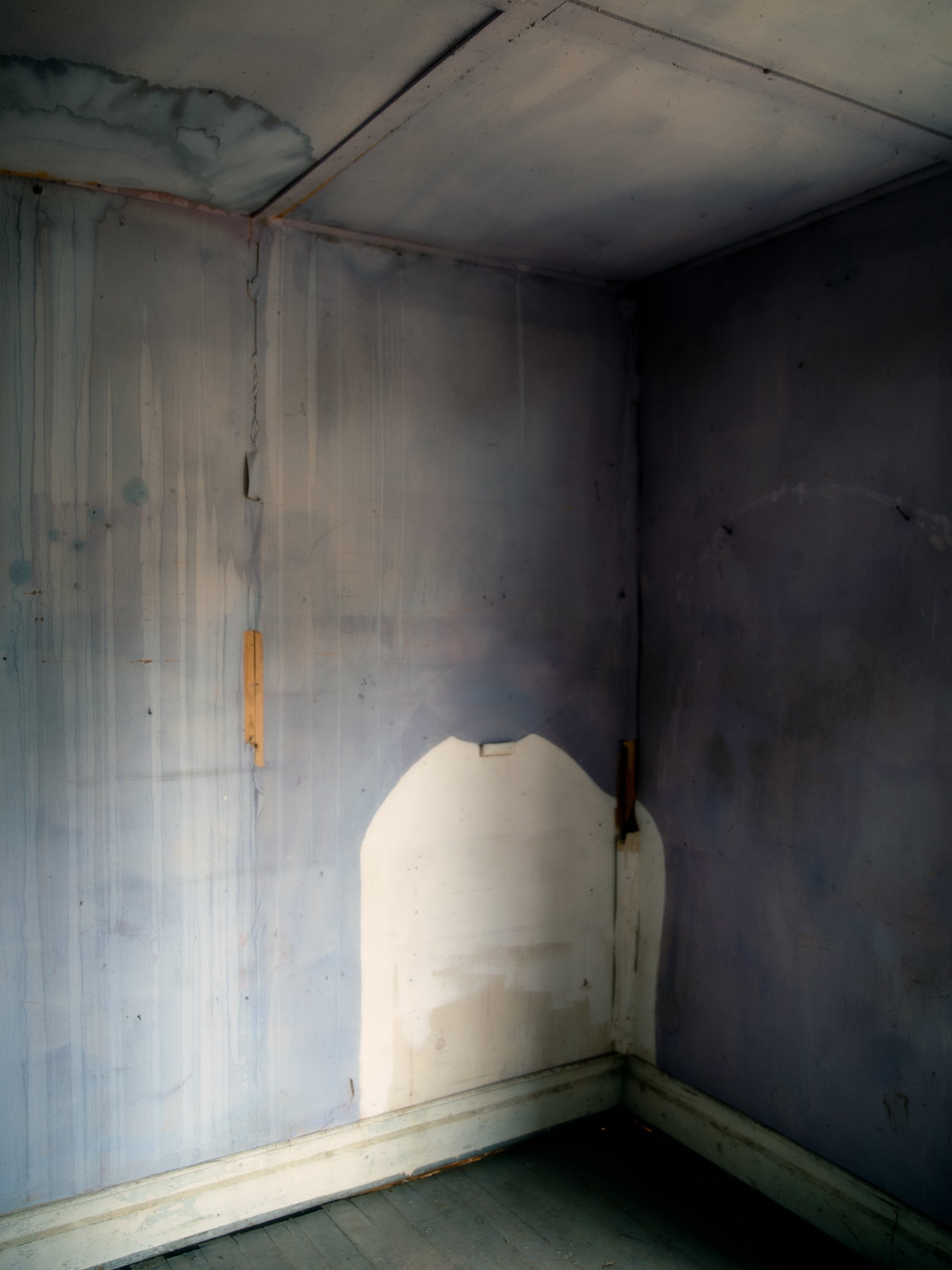
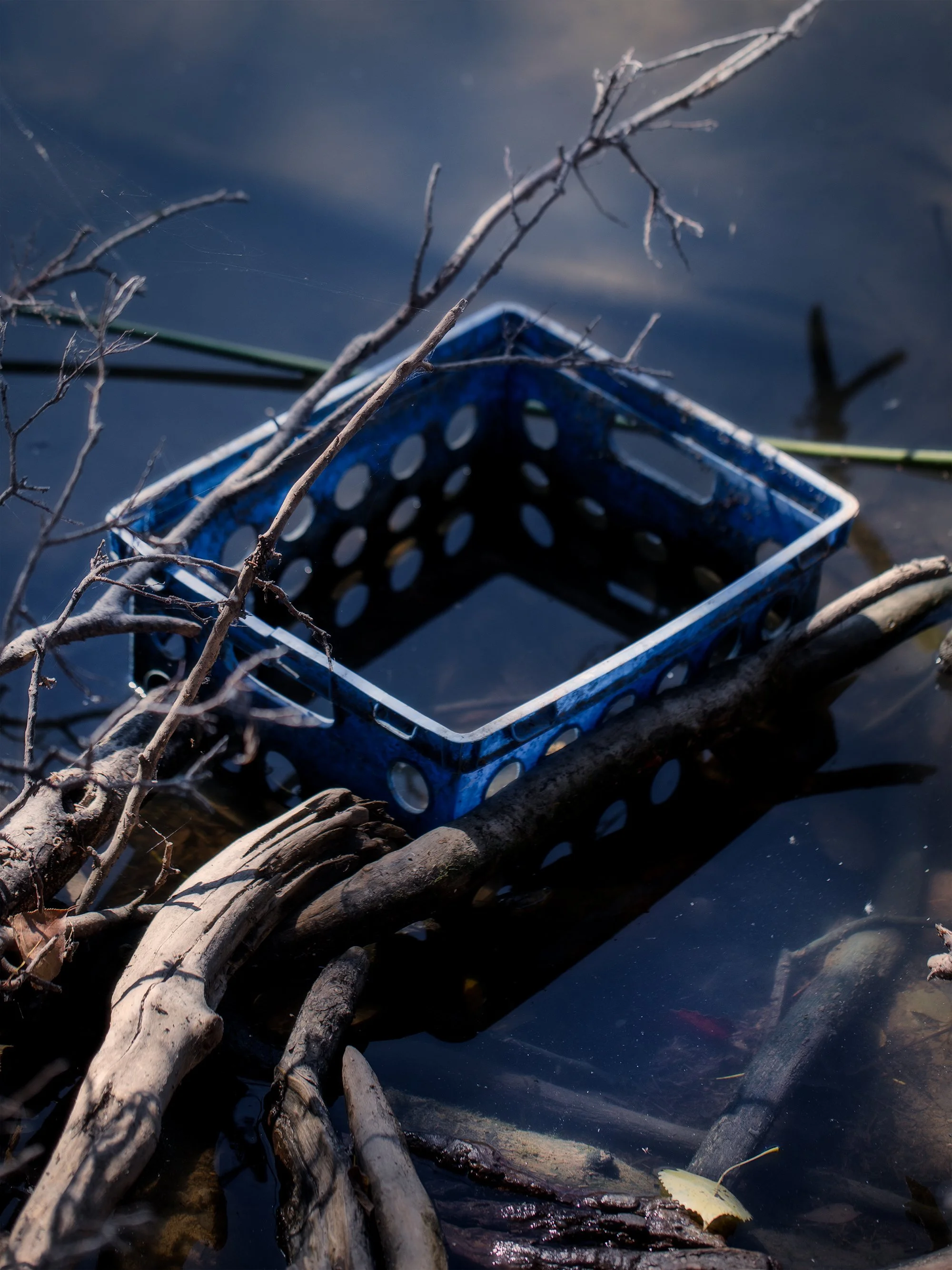
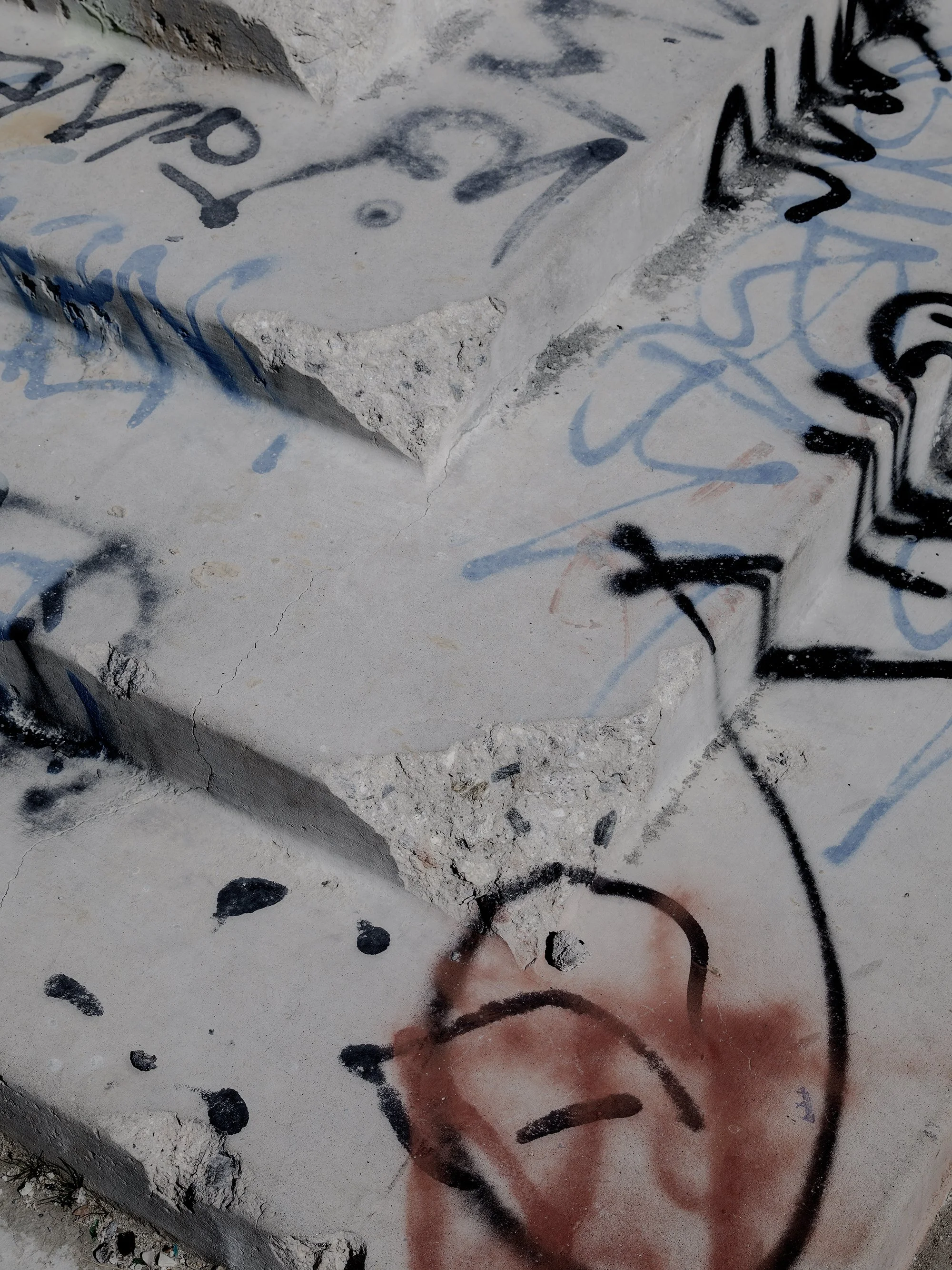
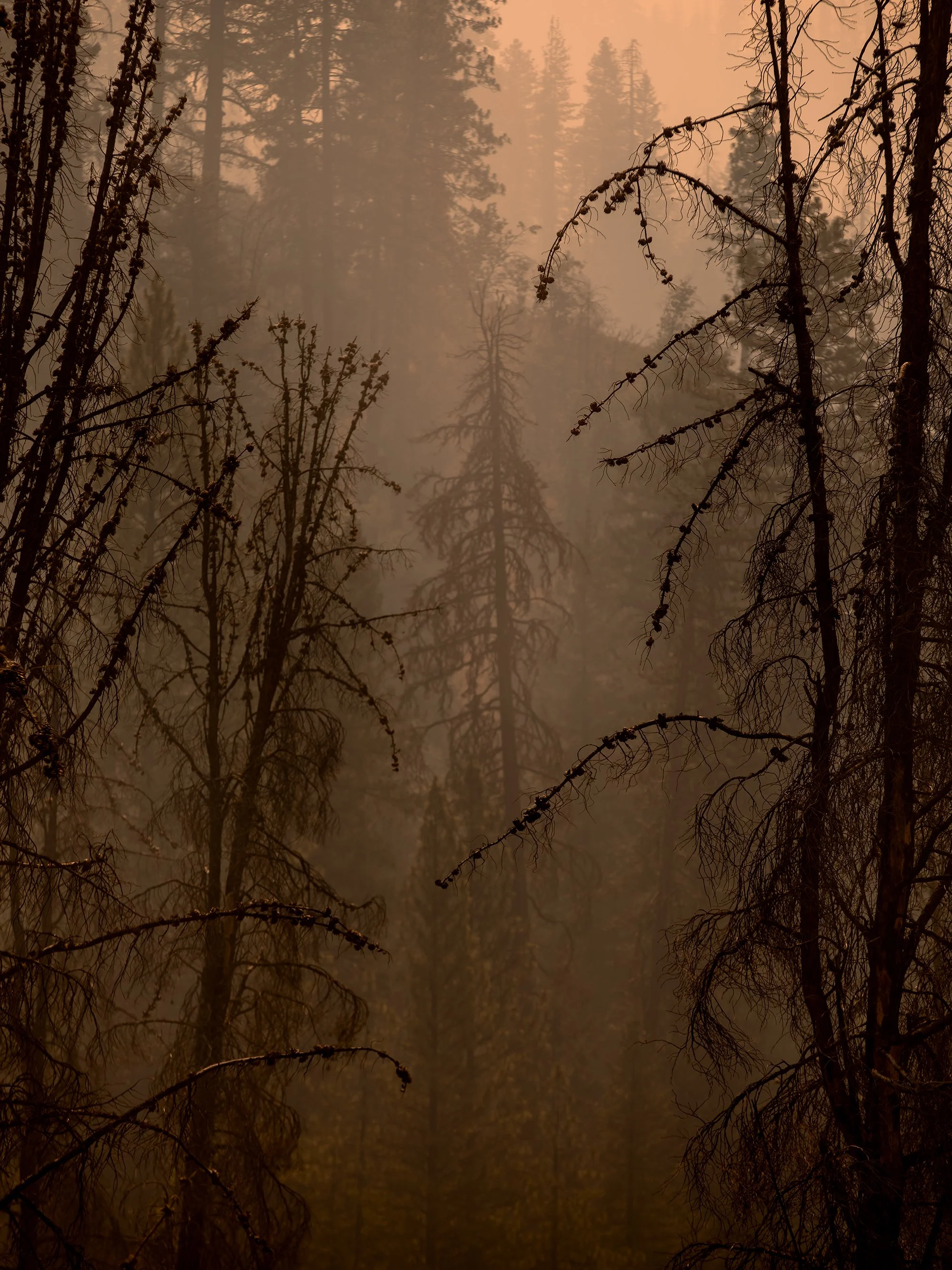
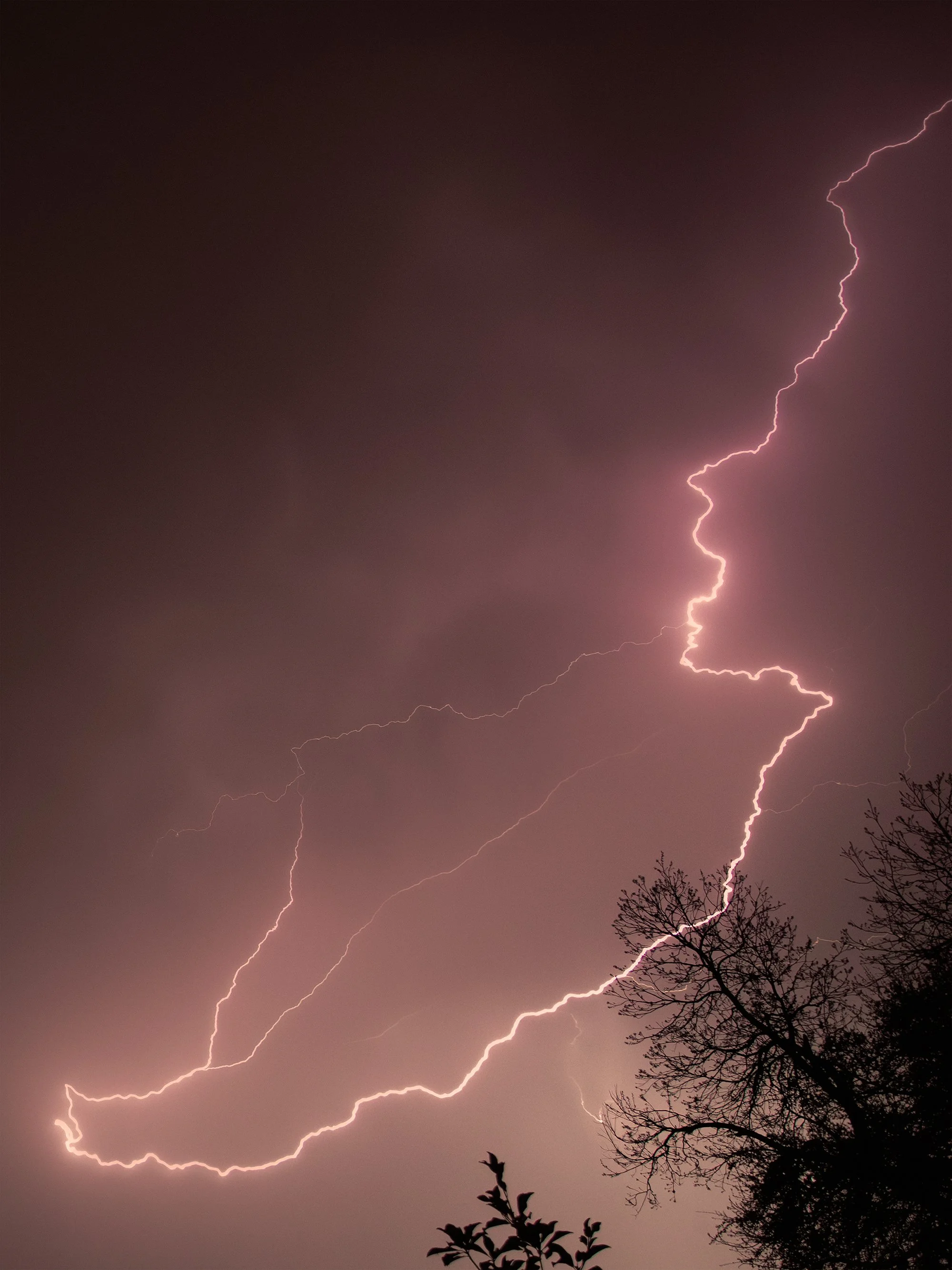
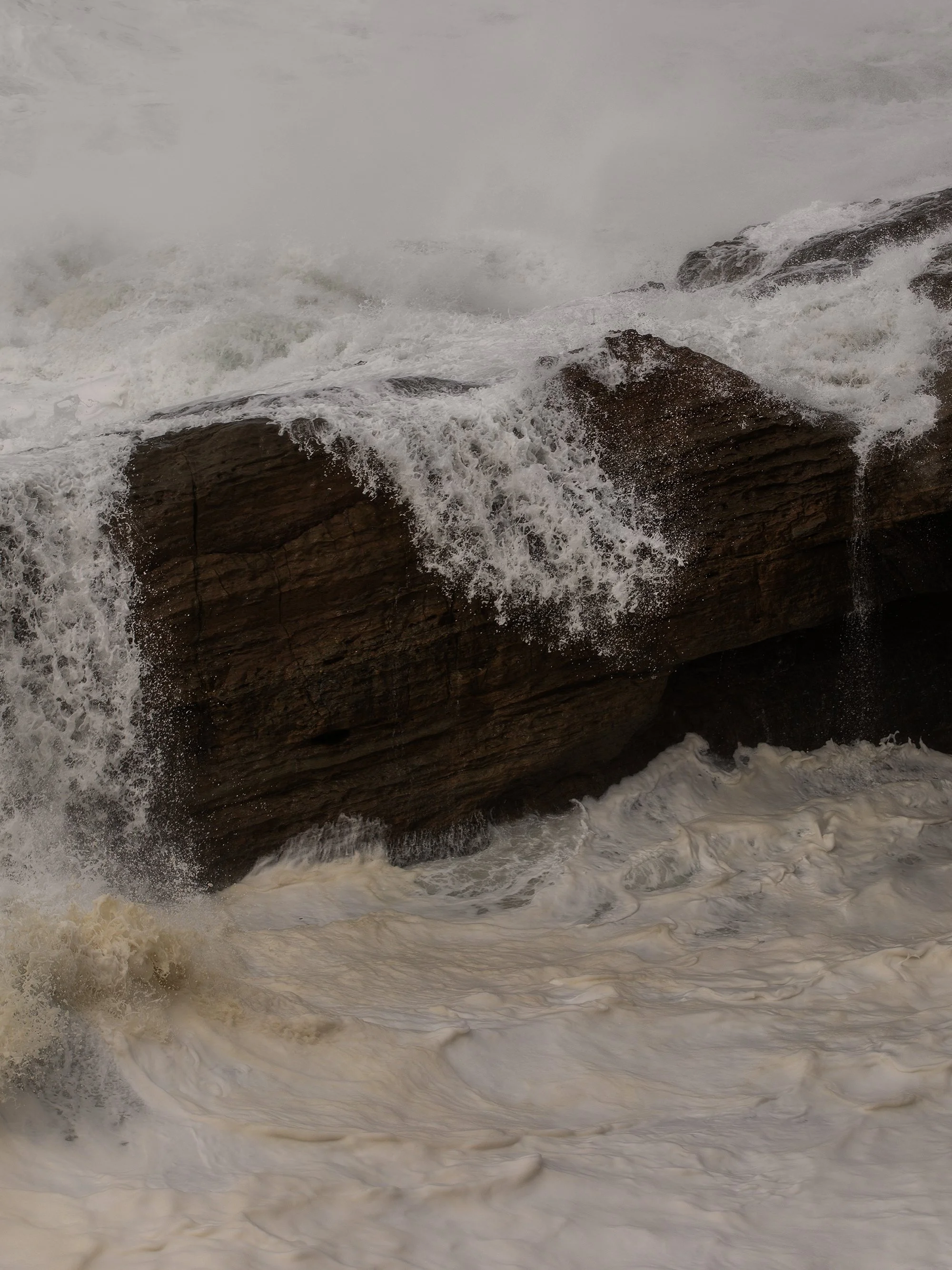
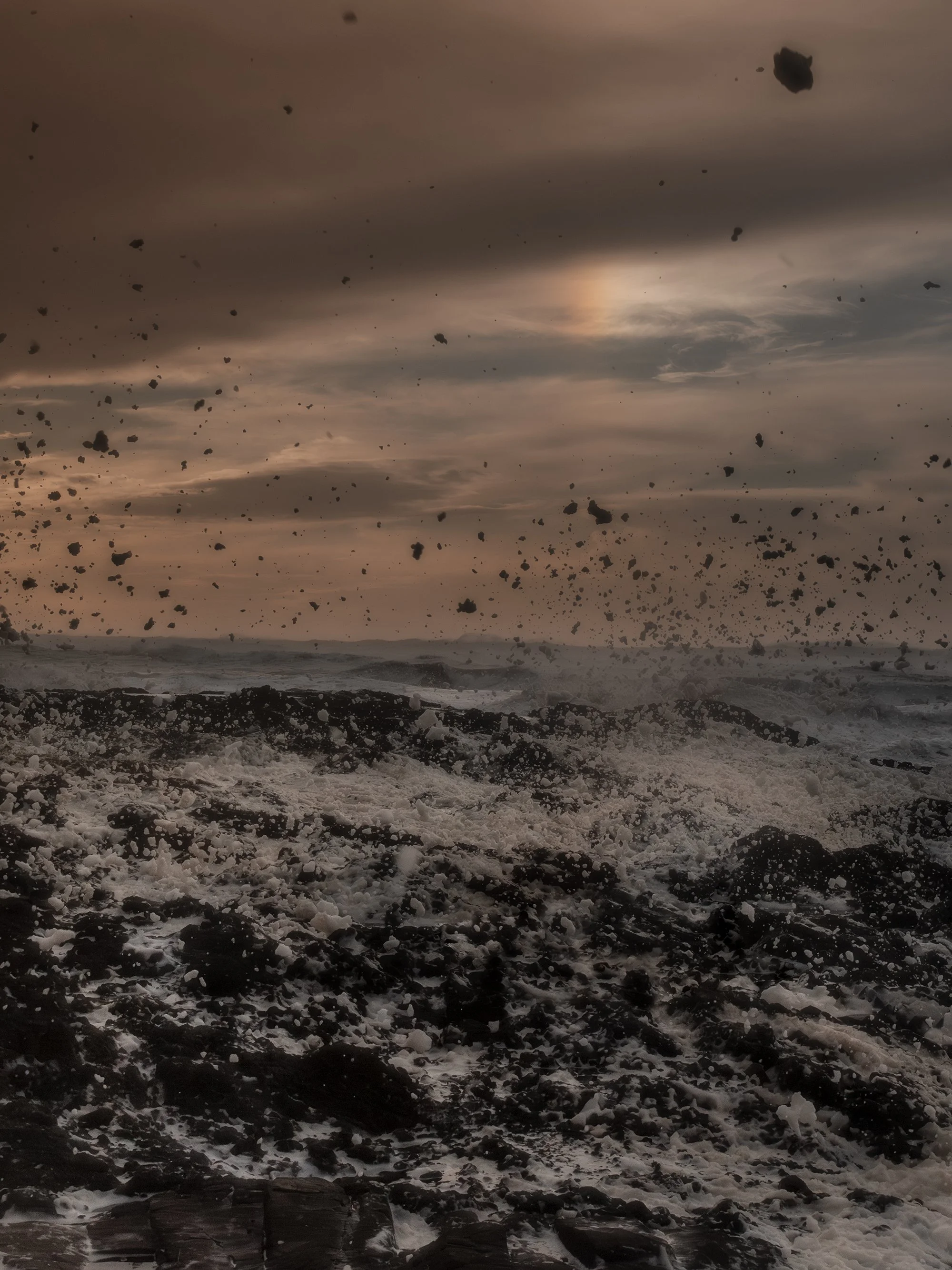
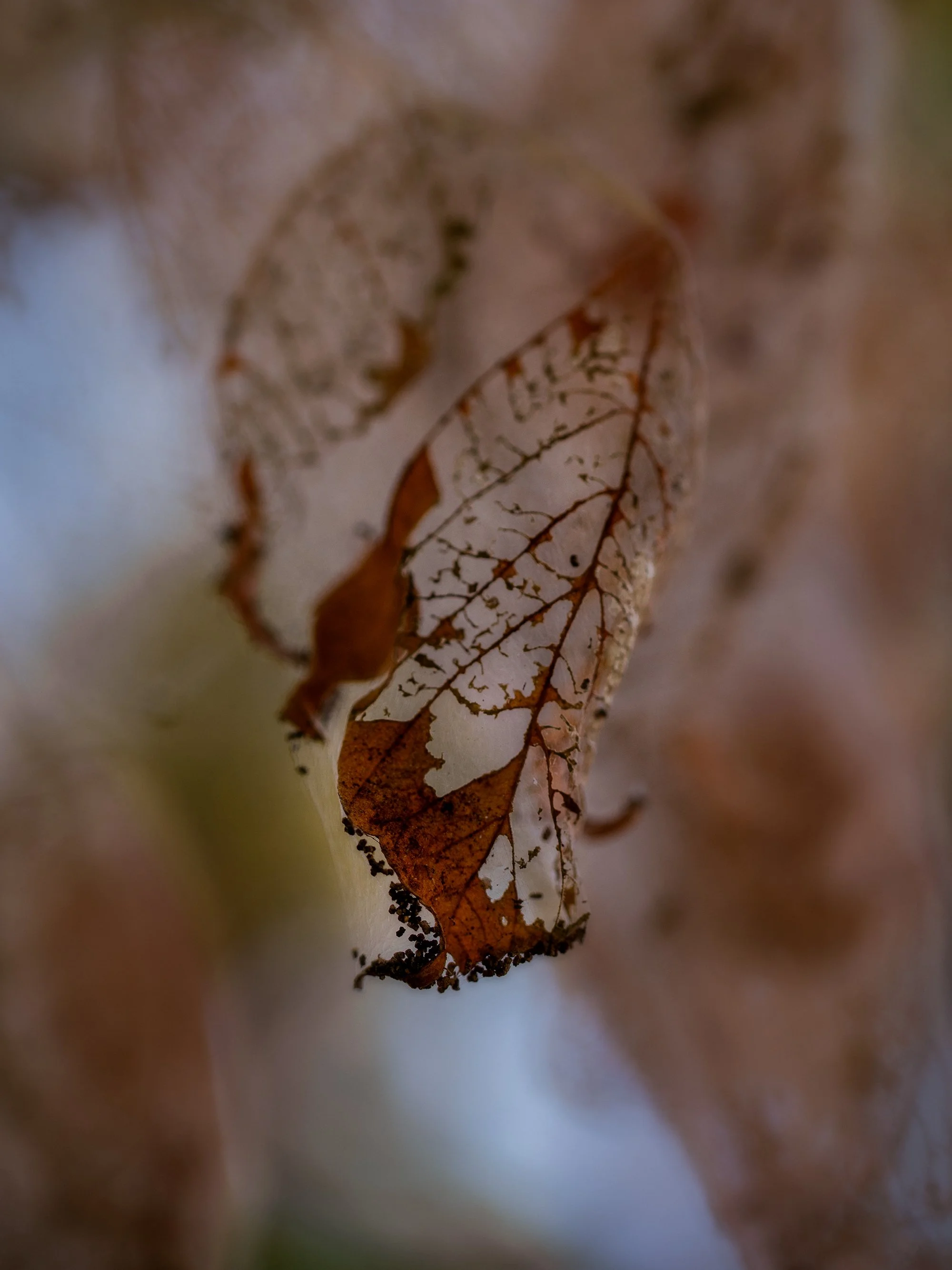
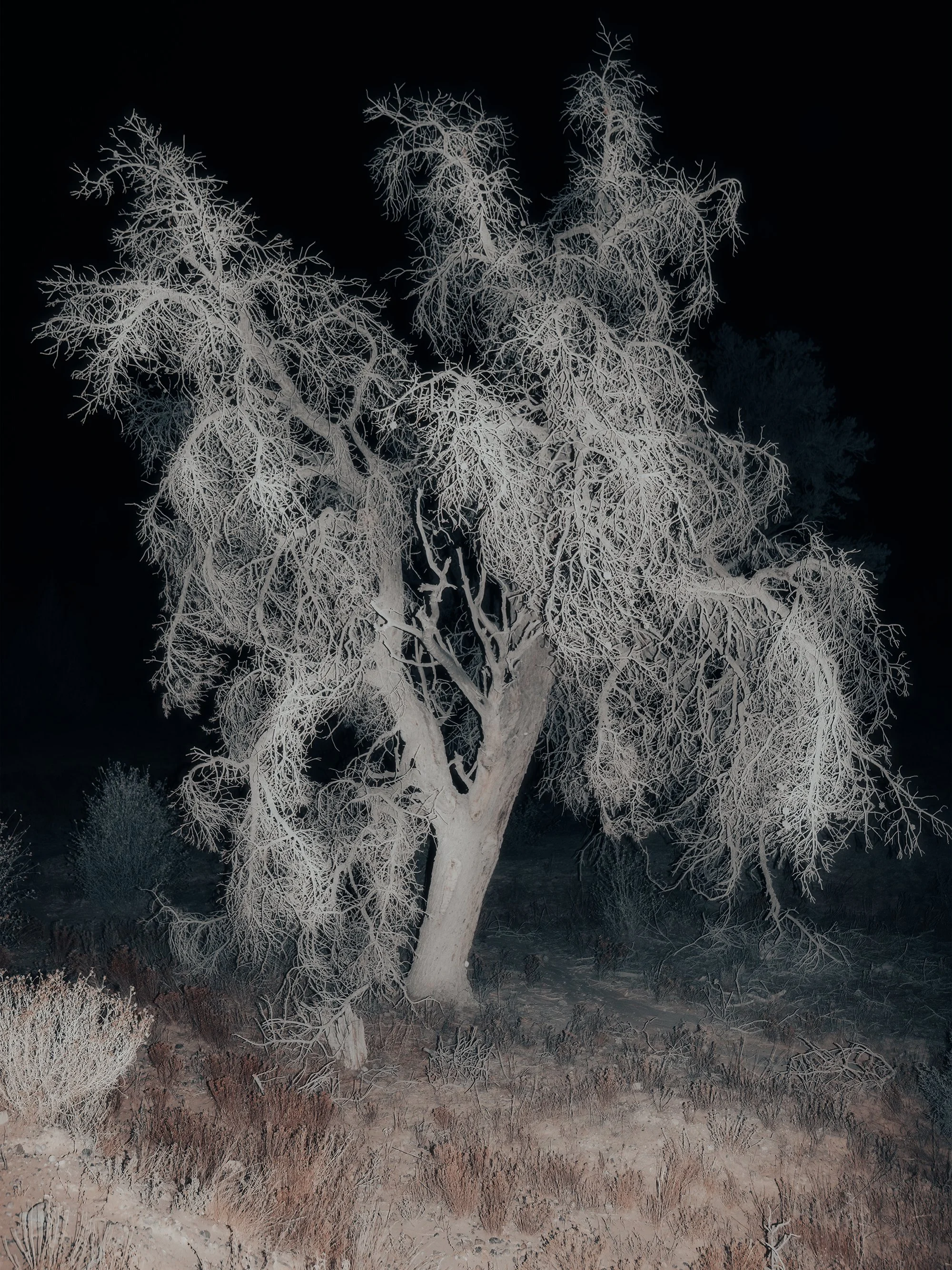
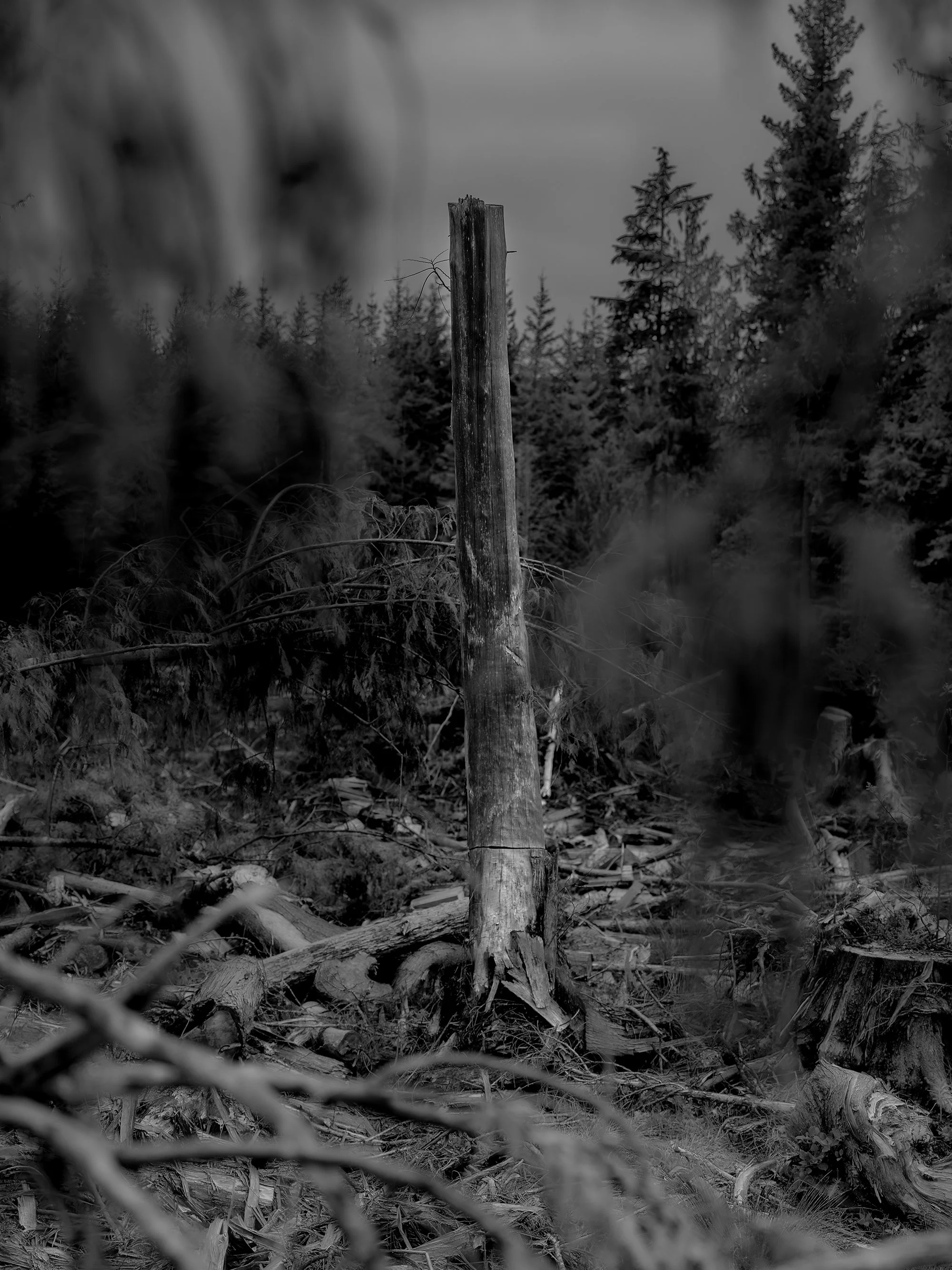
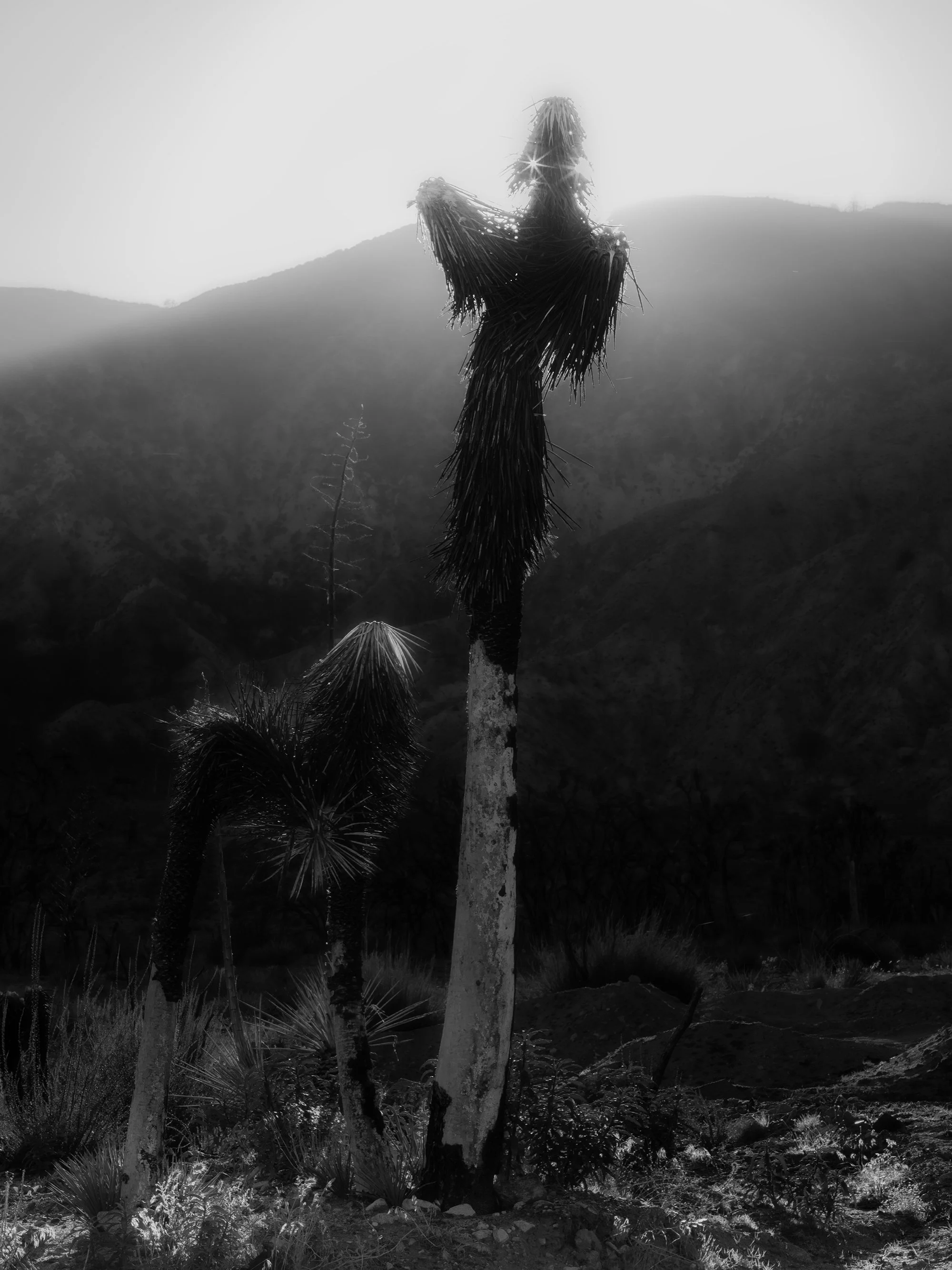
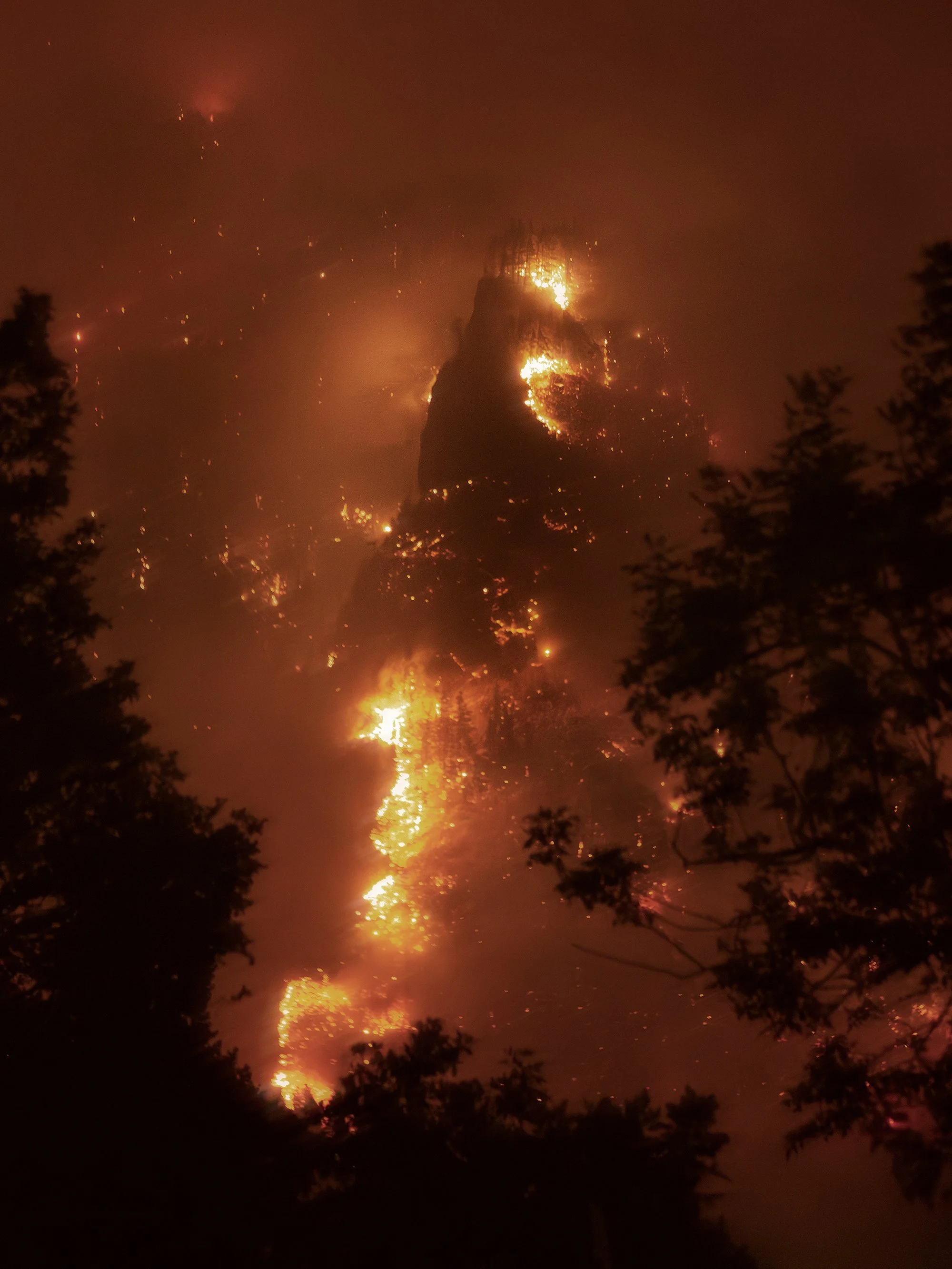
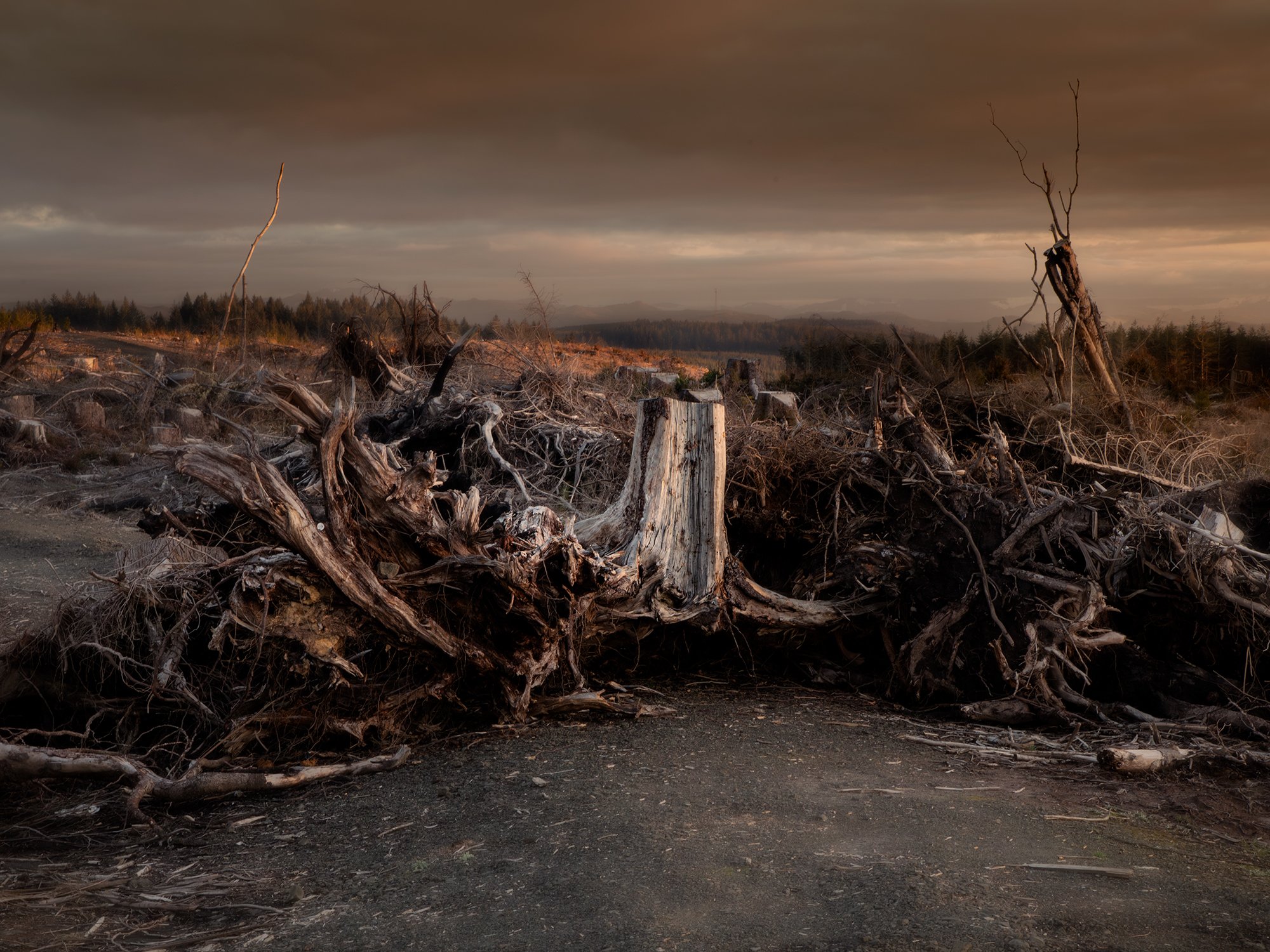
Turn A Blind Eye traces the American landscape as a site of inheritance, instability, and reckoning. Moving across deserts, forests, small towns, and coastlines, the series examines what remains when structures endure but belief begins to thin. Photographed across the western United States, the work unfolds as a gradual descent—from architecture toward fire, residue, and absorption—lingering on aftermath rather than spectacle.
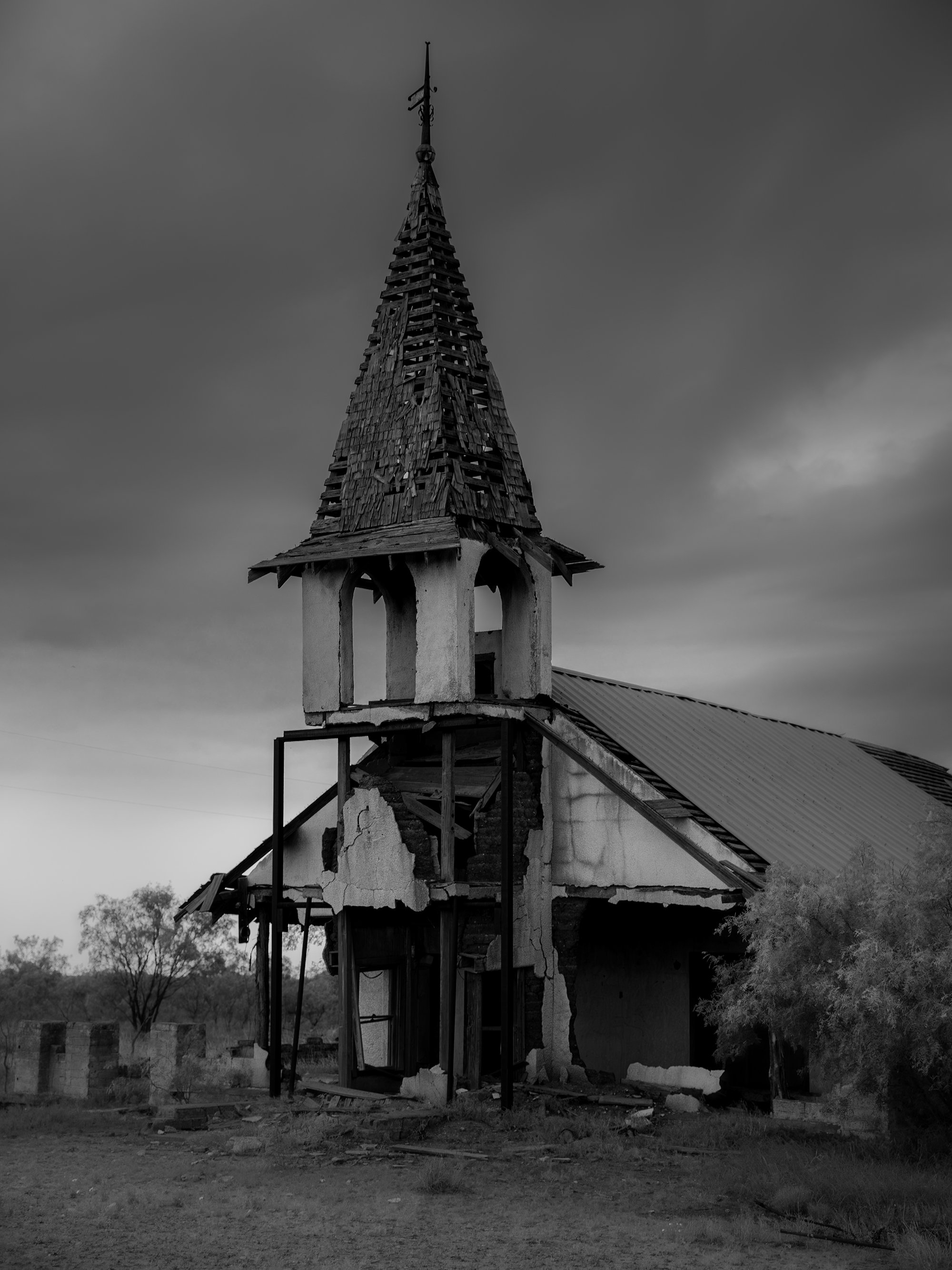
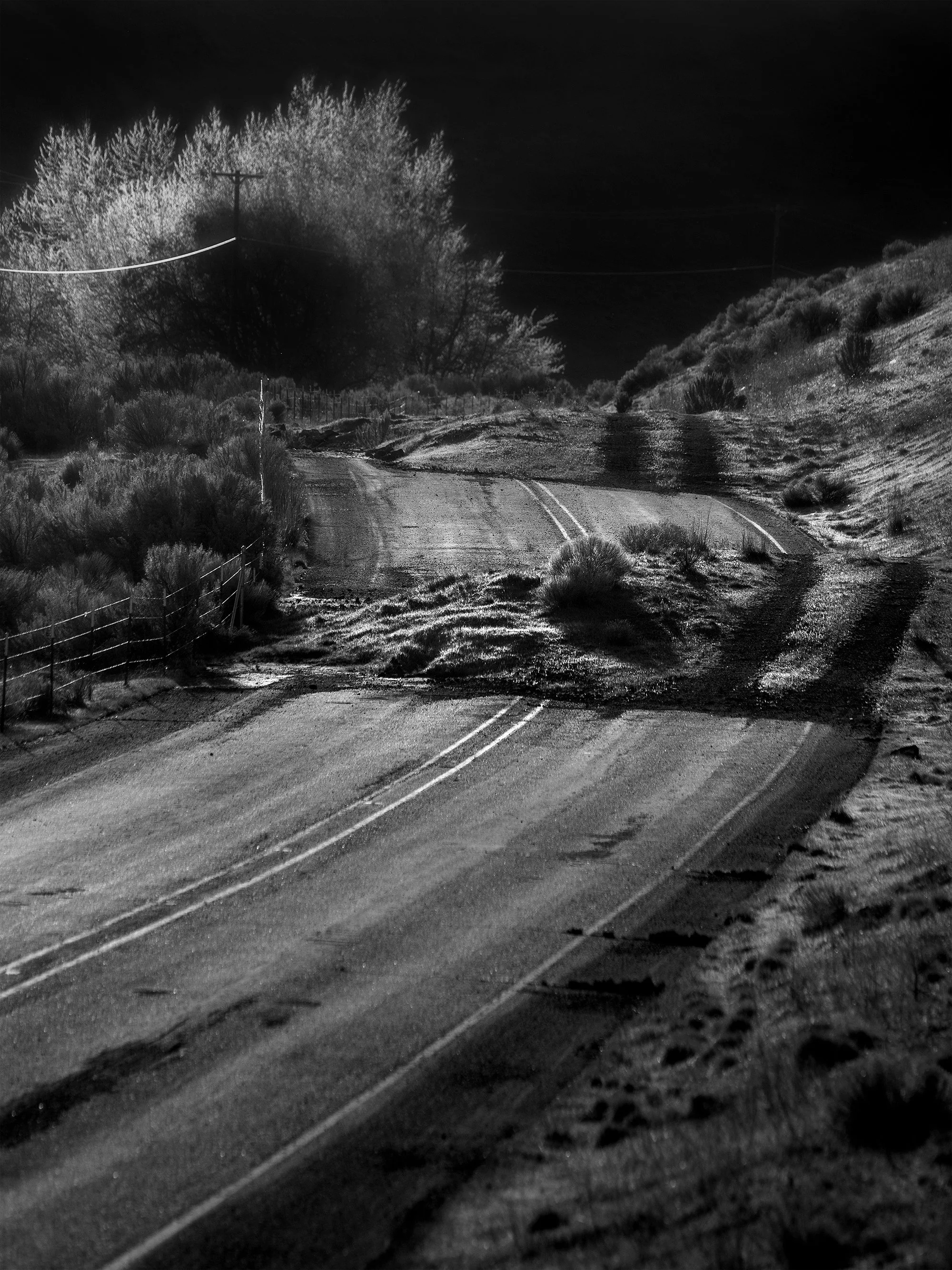
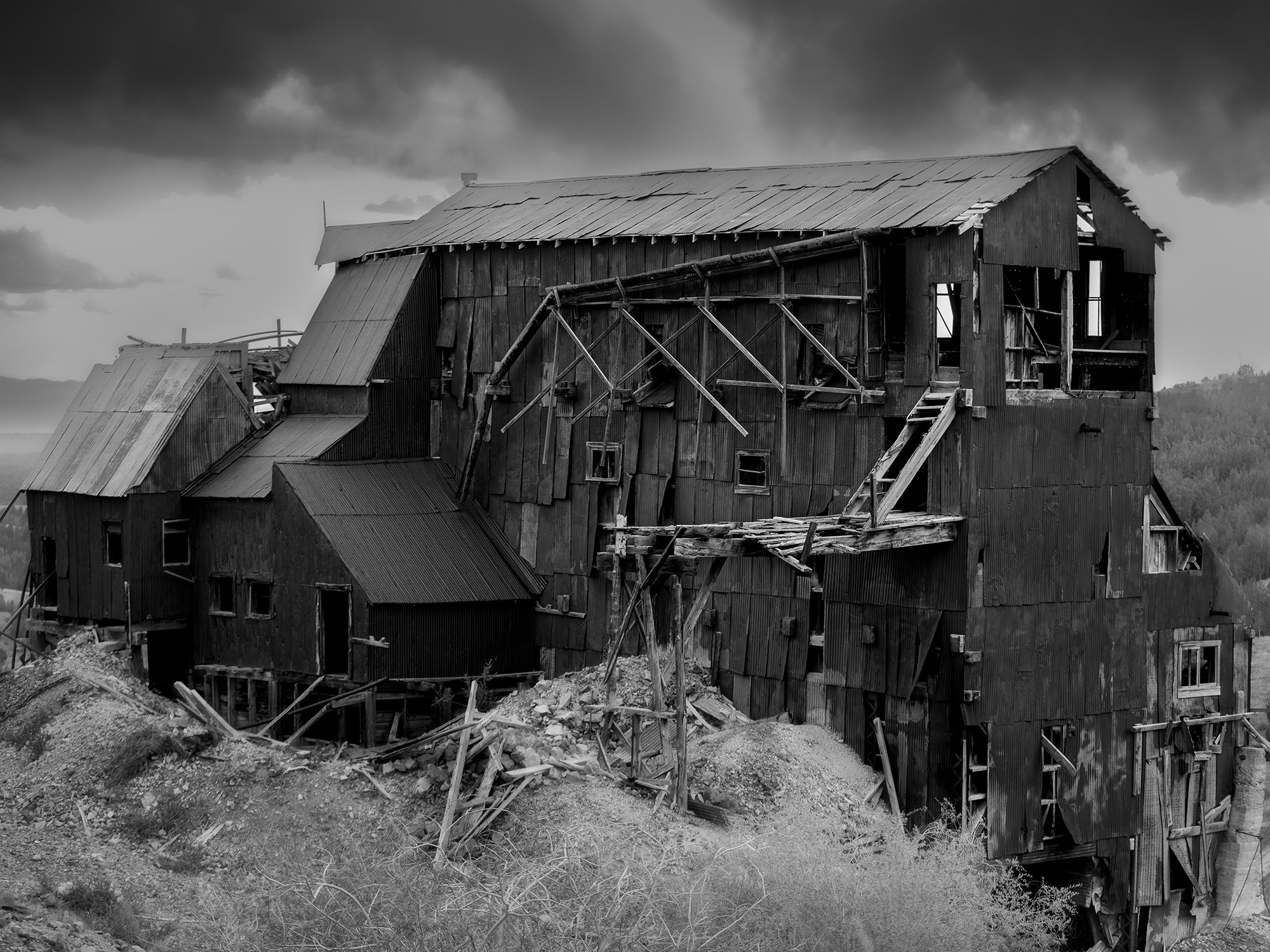
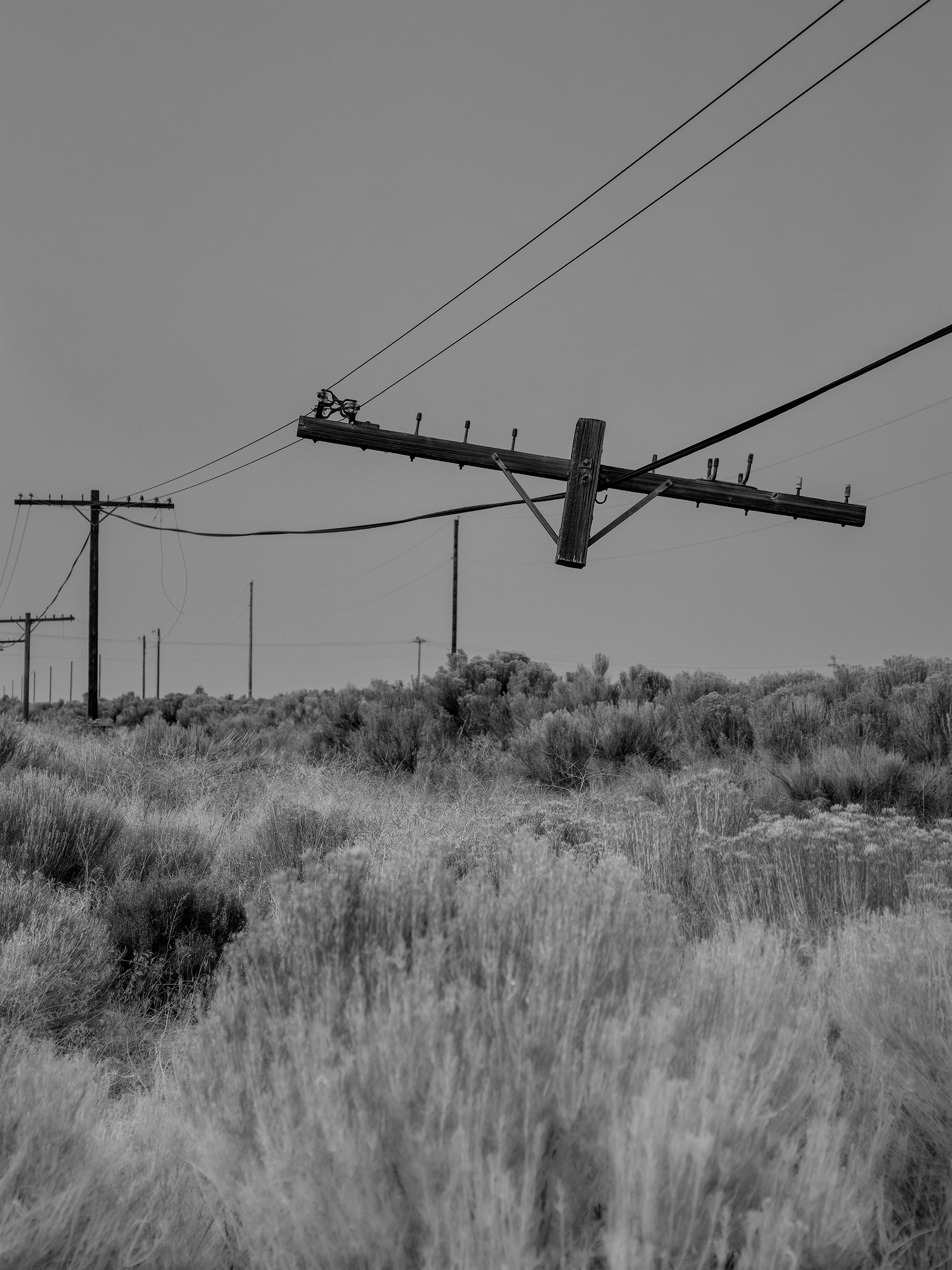
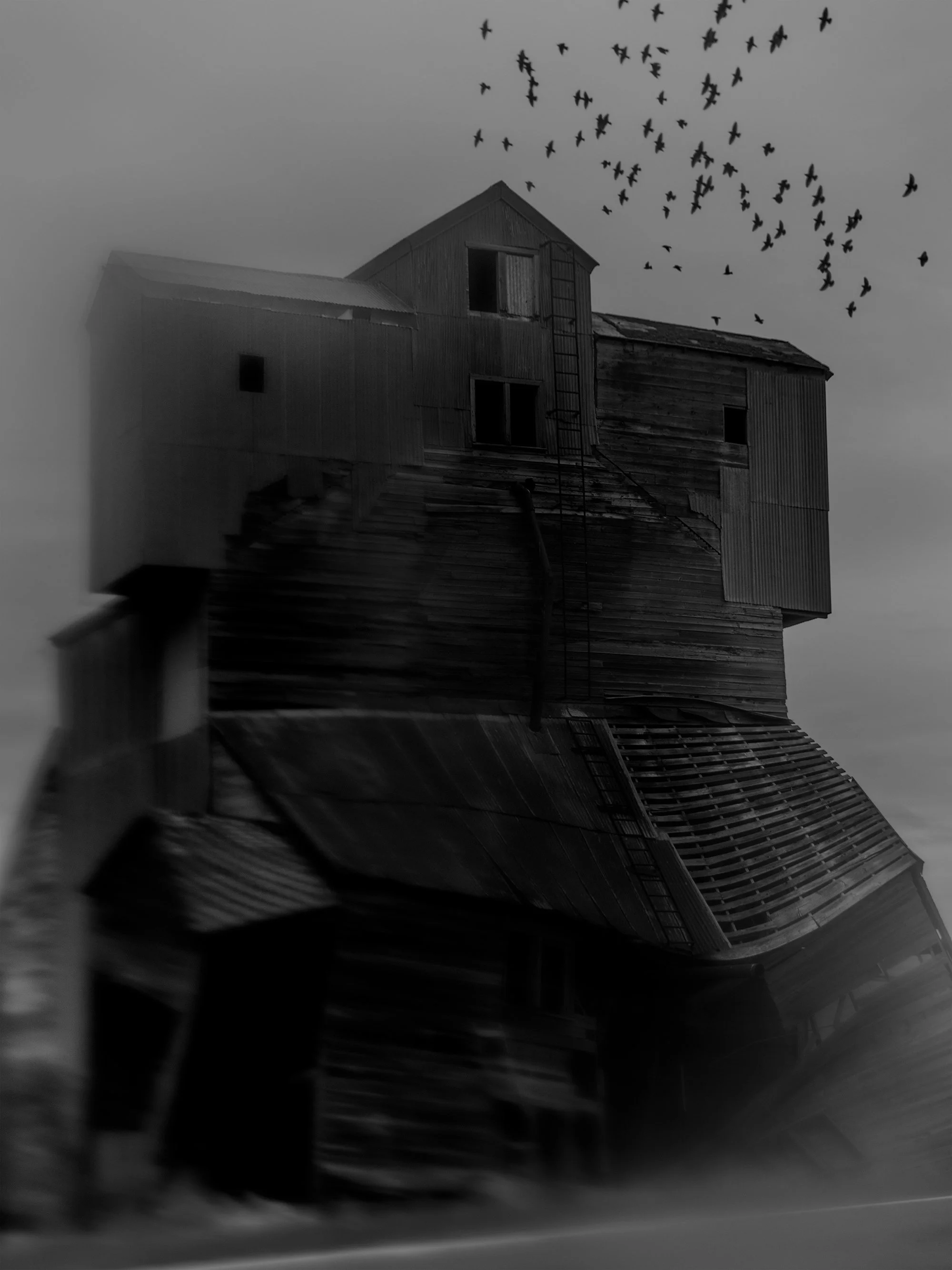
The series opens with headlights cutting through darkness, a gesture tied to progress and expansion. As the sequence develops, that momentum falters. Black-and-white images depict mines, roads, grain elevators, and churches—structures linked to extraction and settlement. They persist not as relics but as frameworks, reflecting belief systems that continue to shape the land.
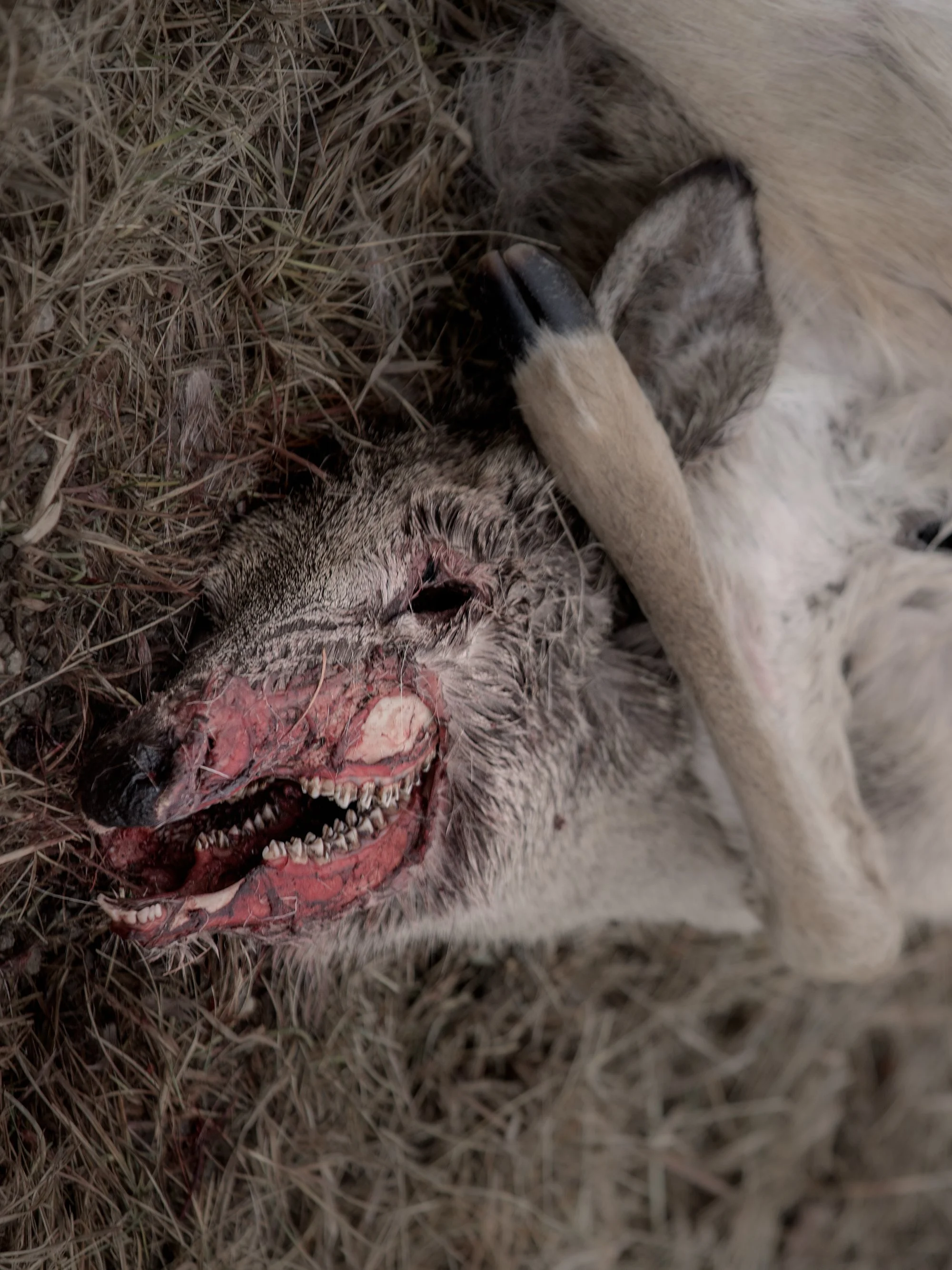
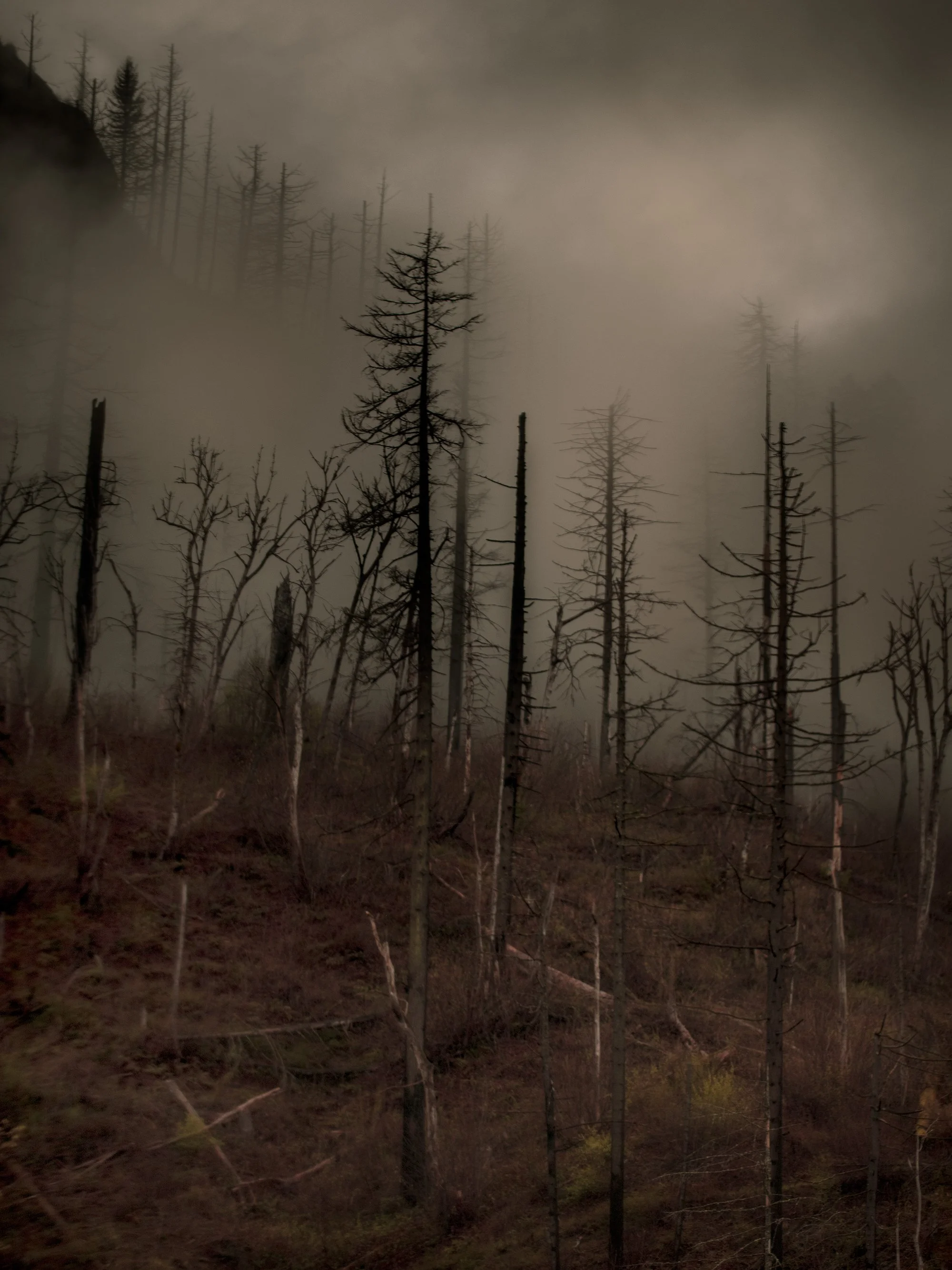
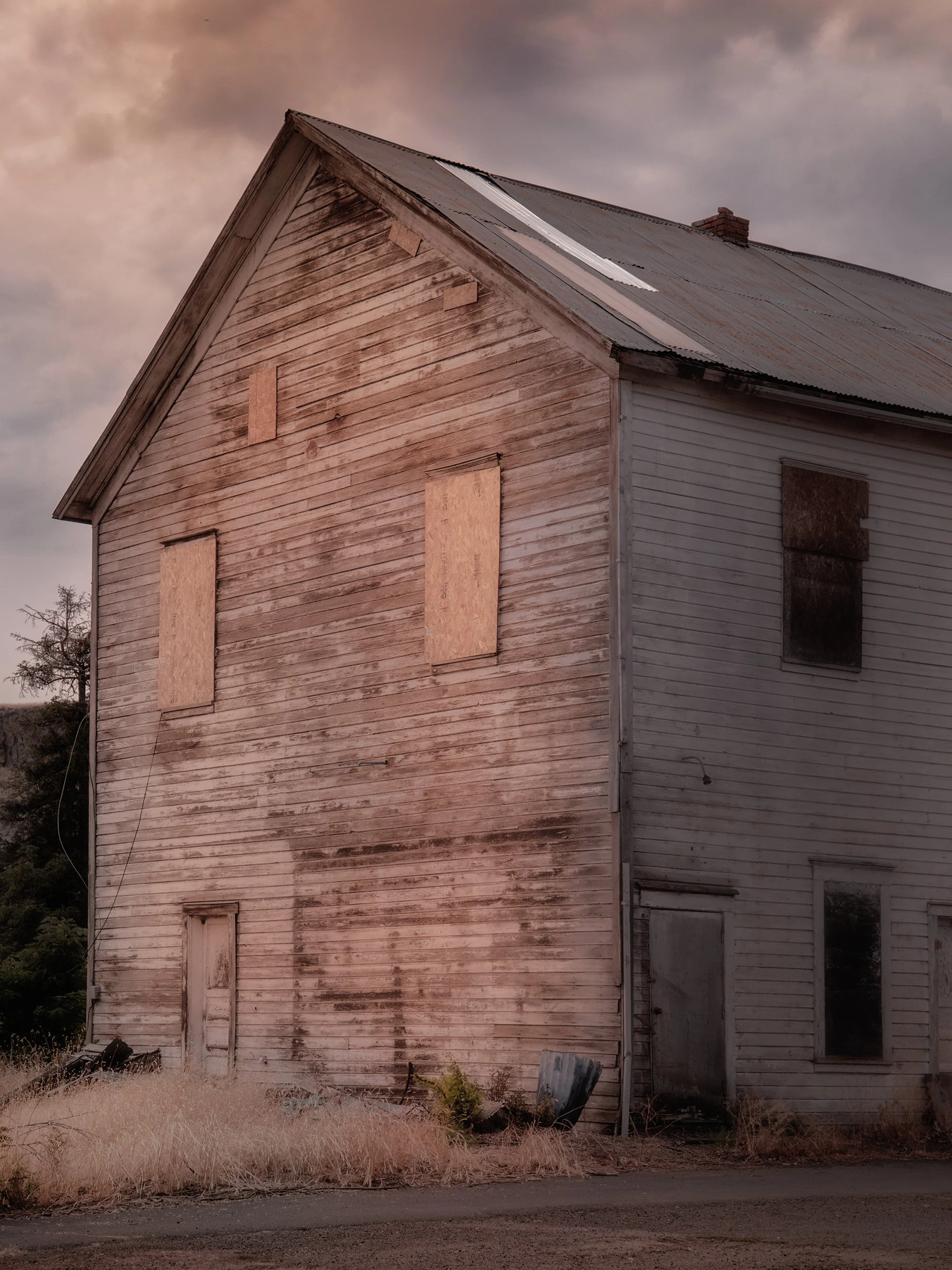
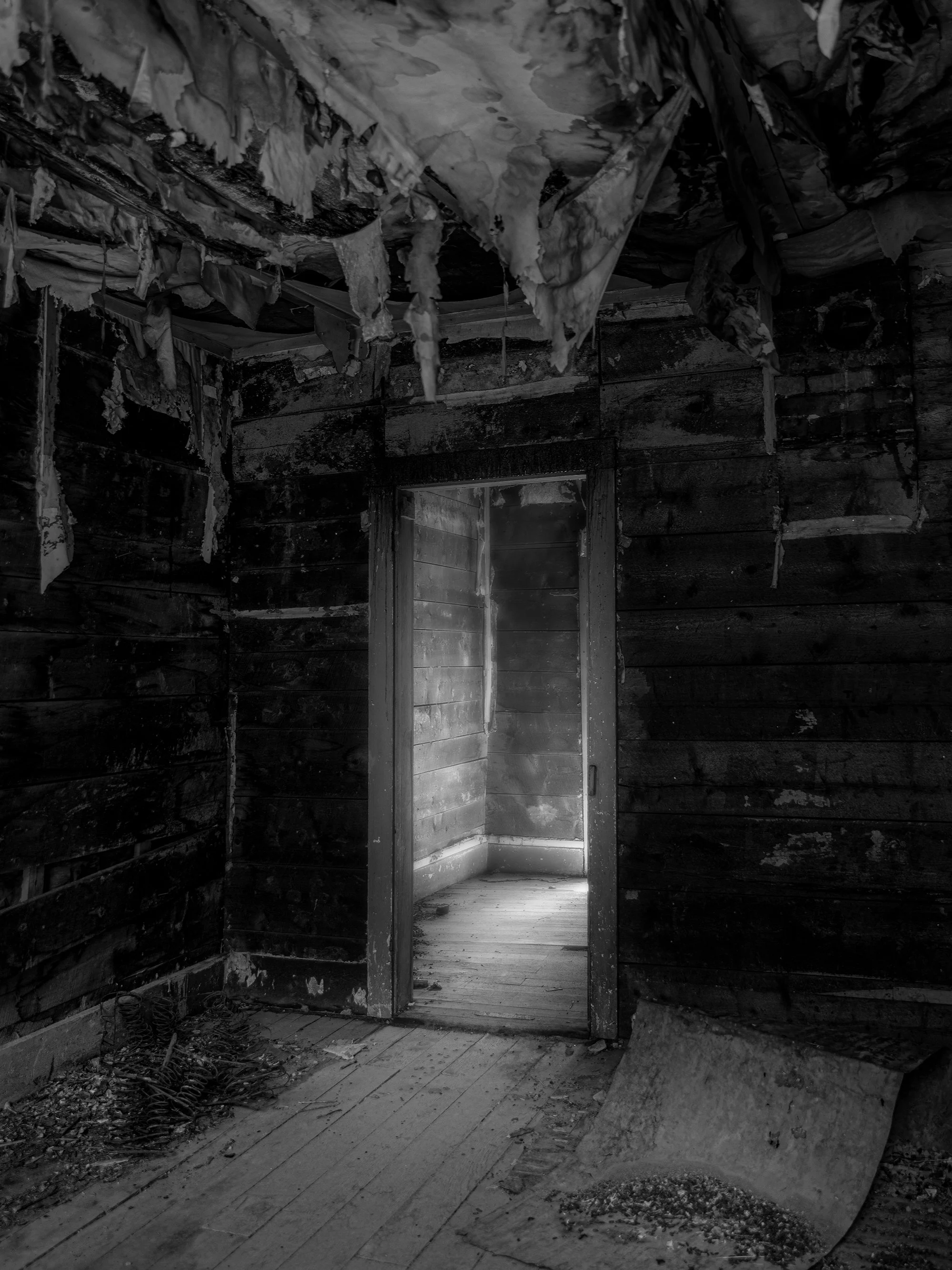
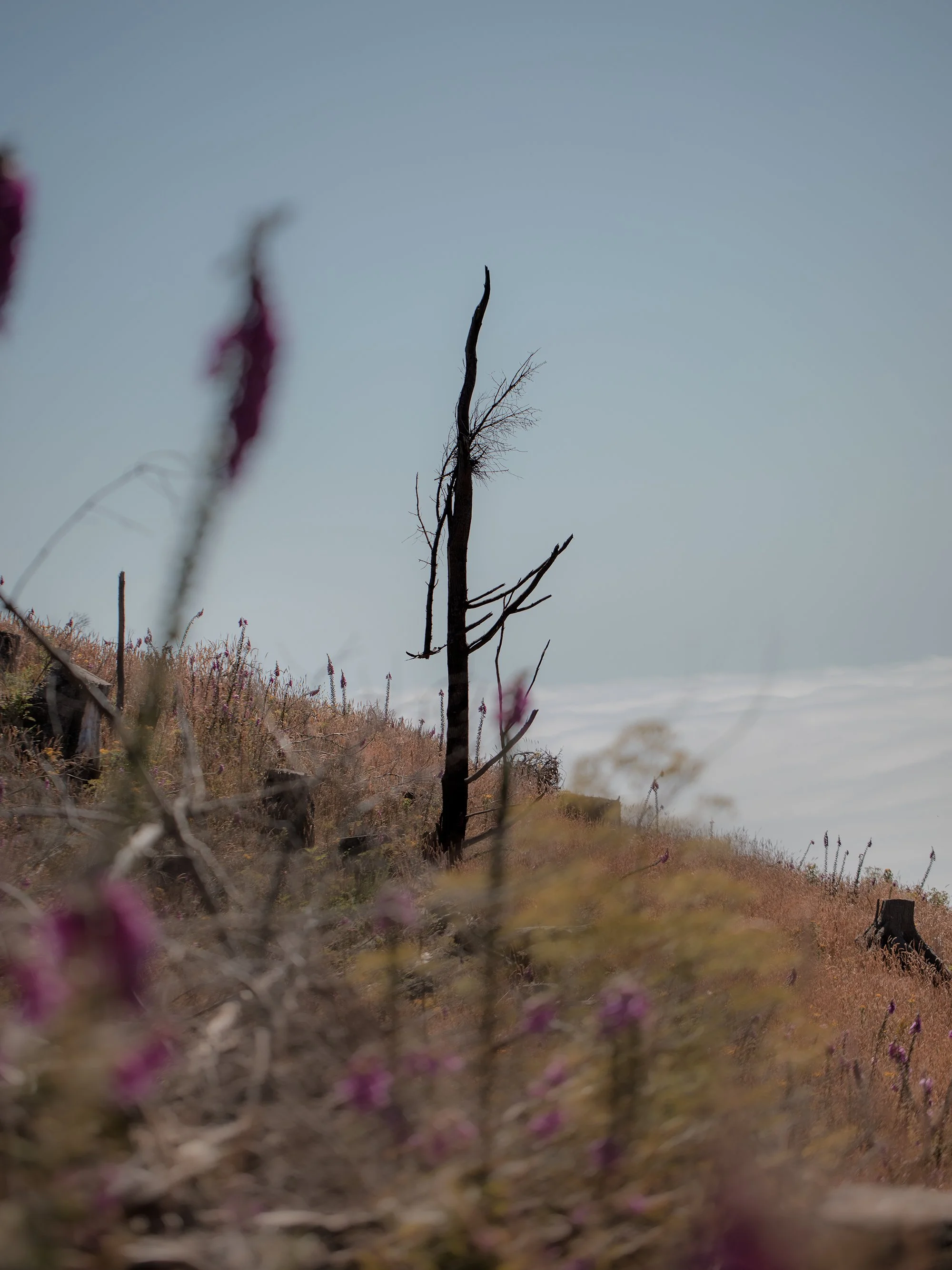
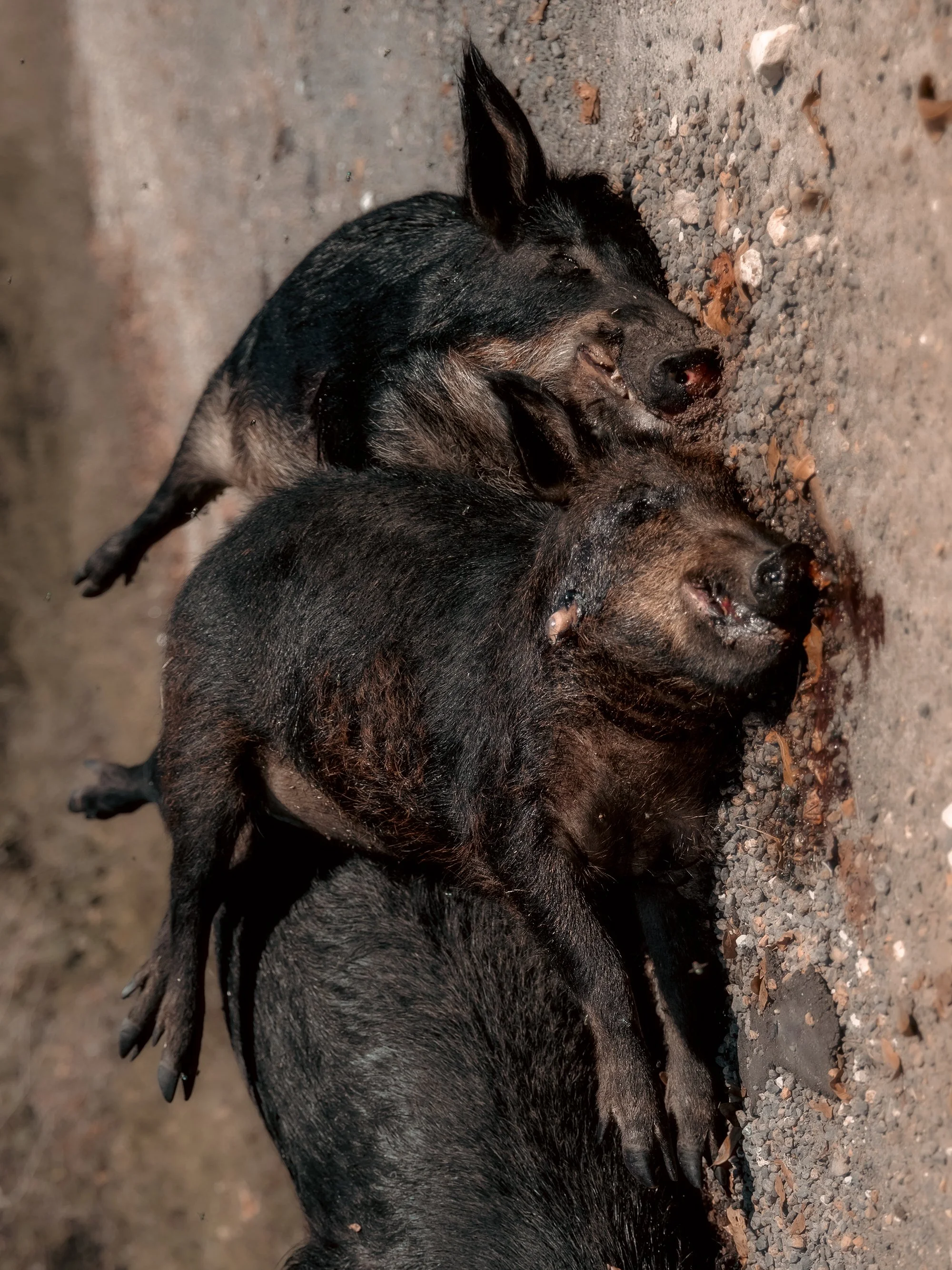
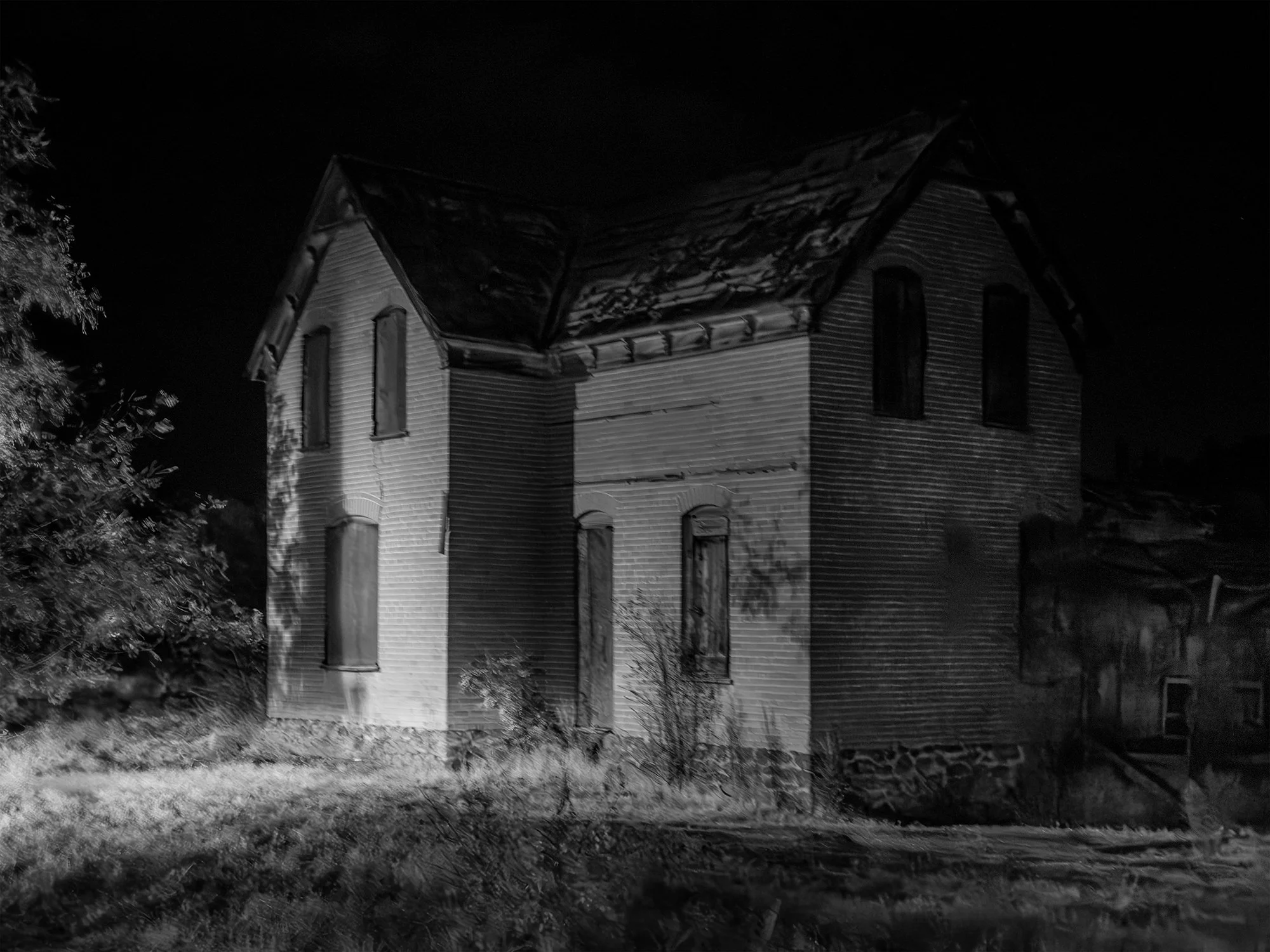
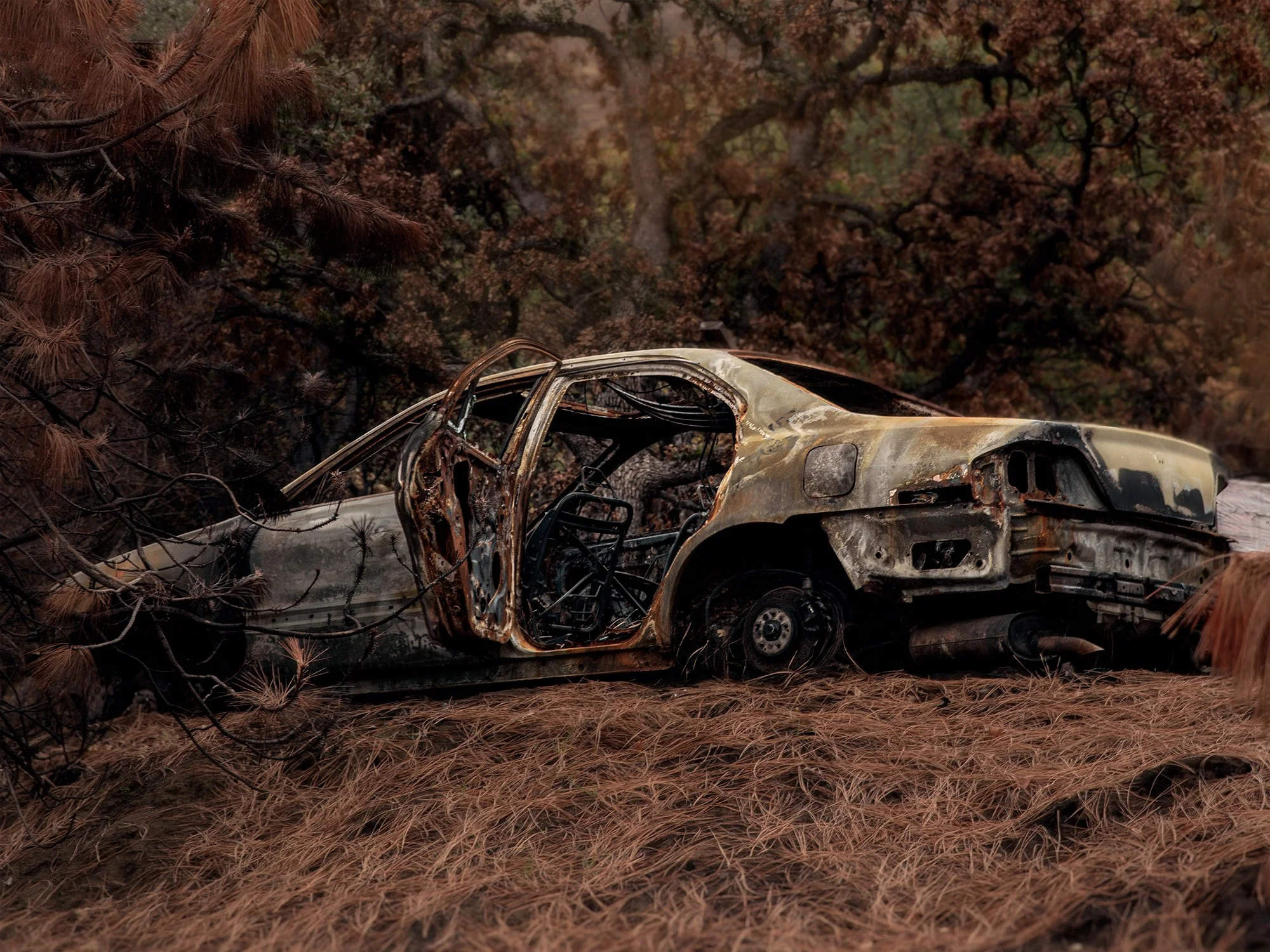
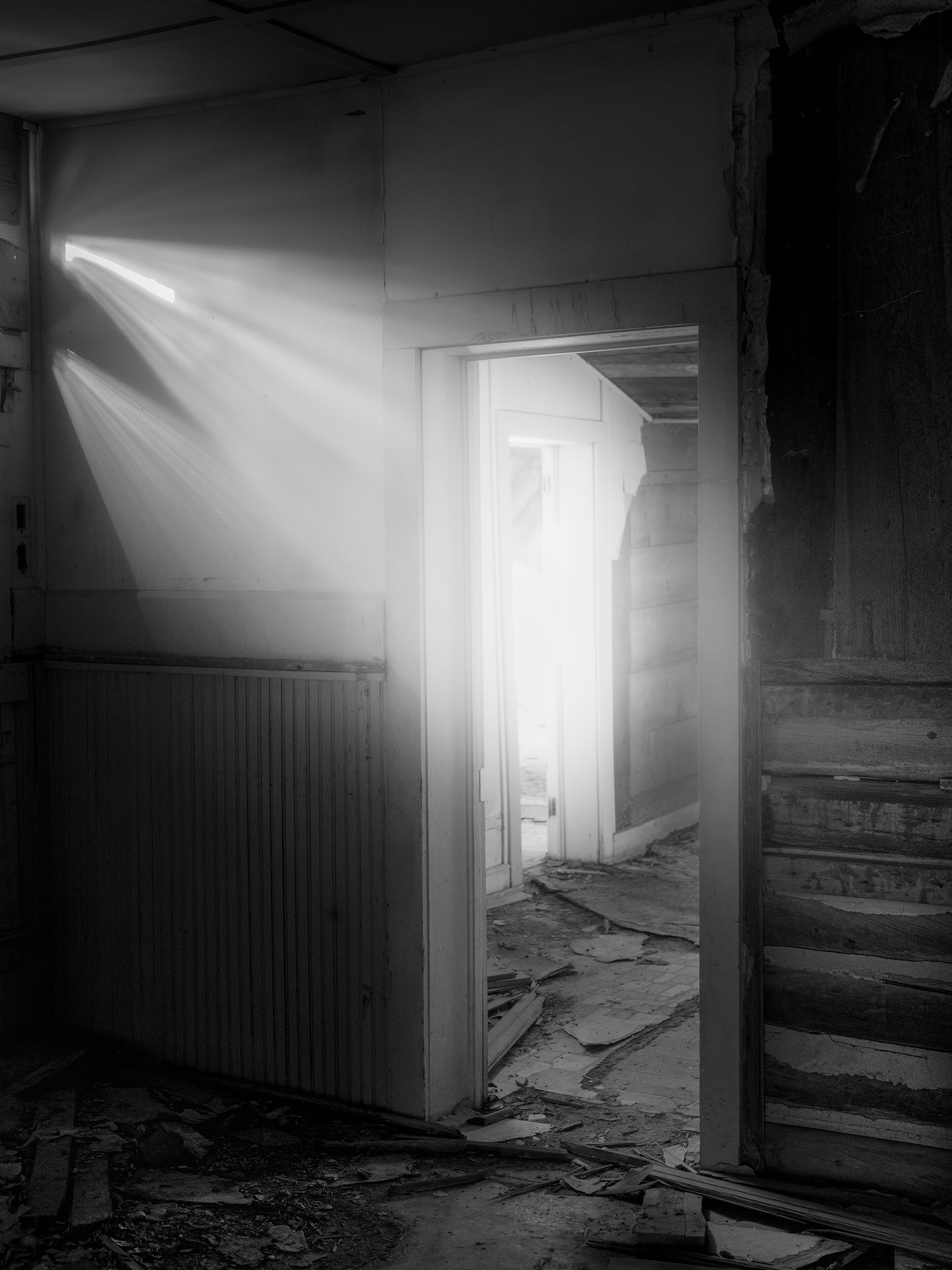
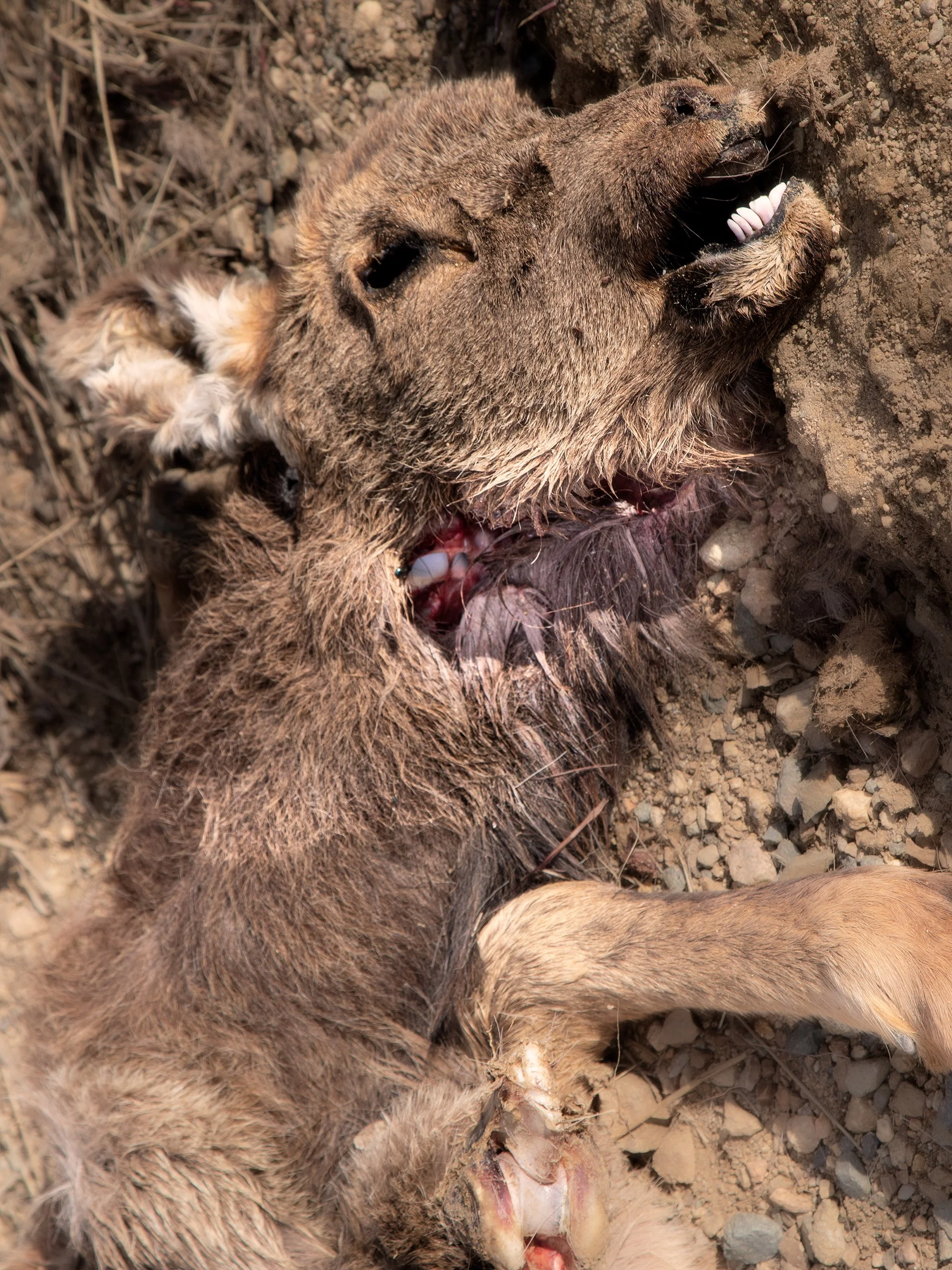
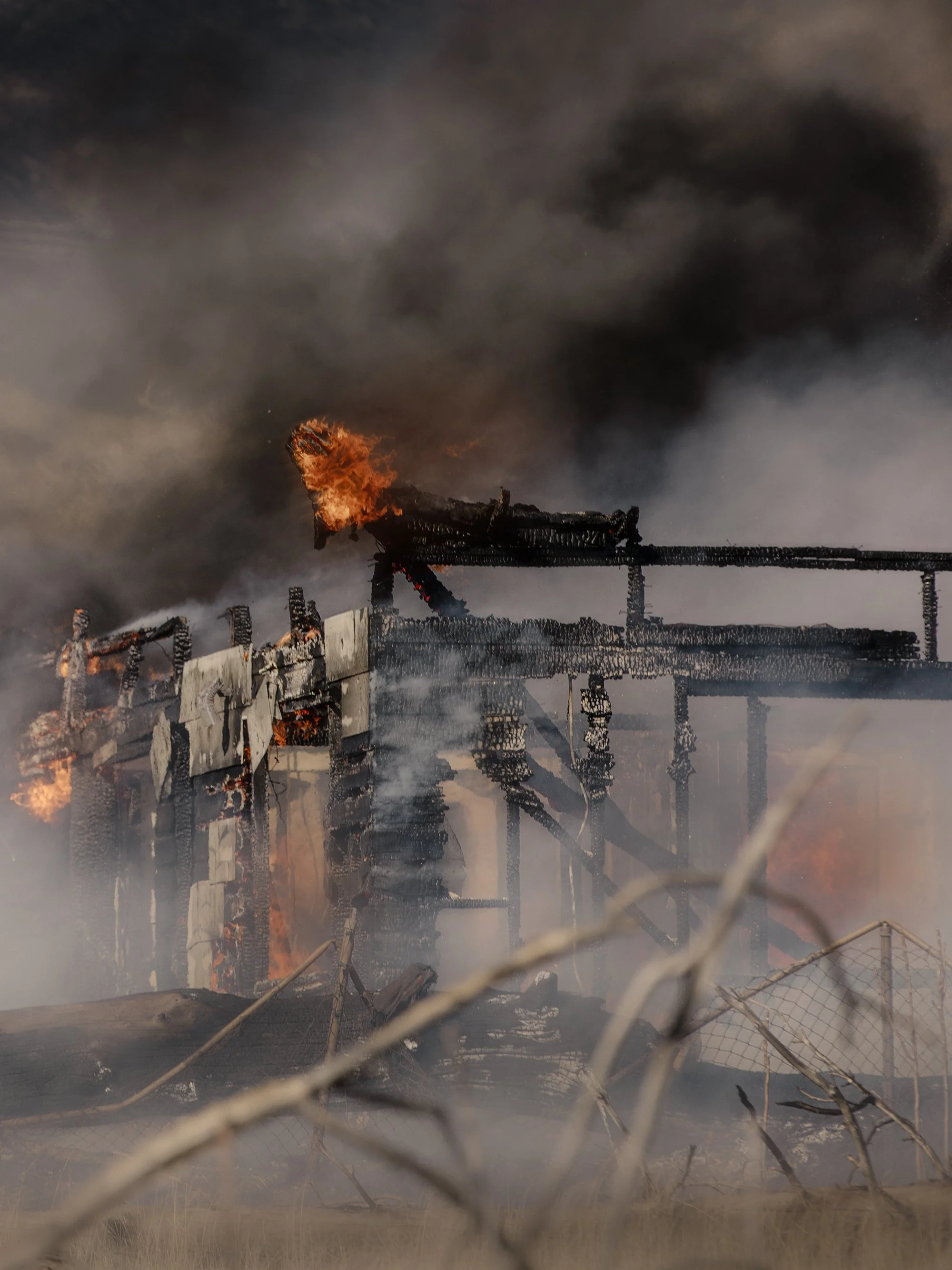
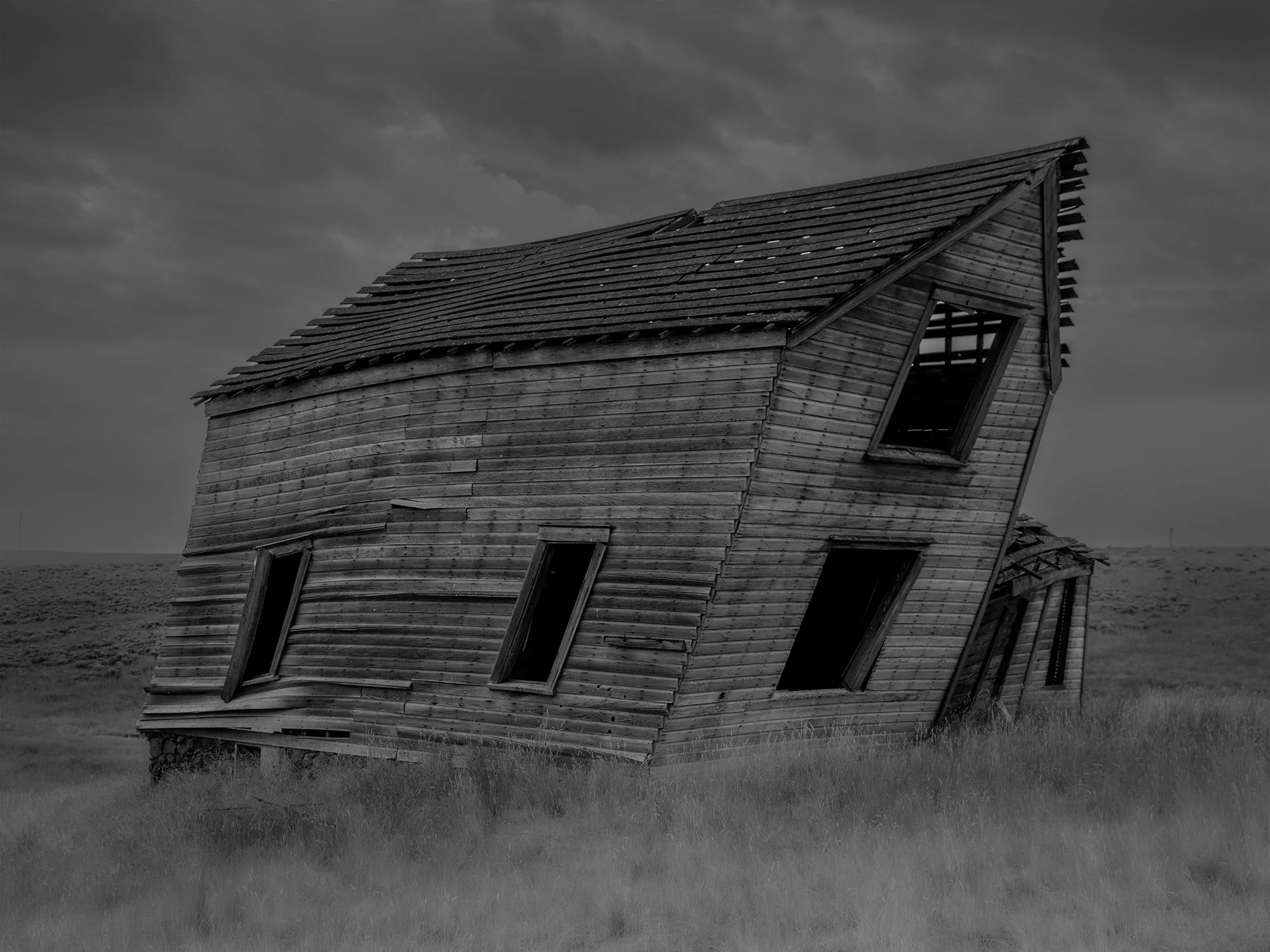
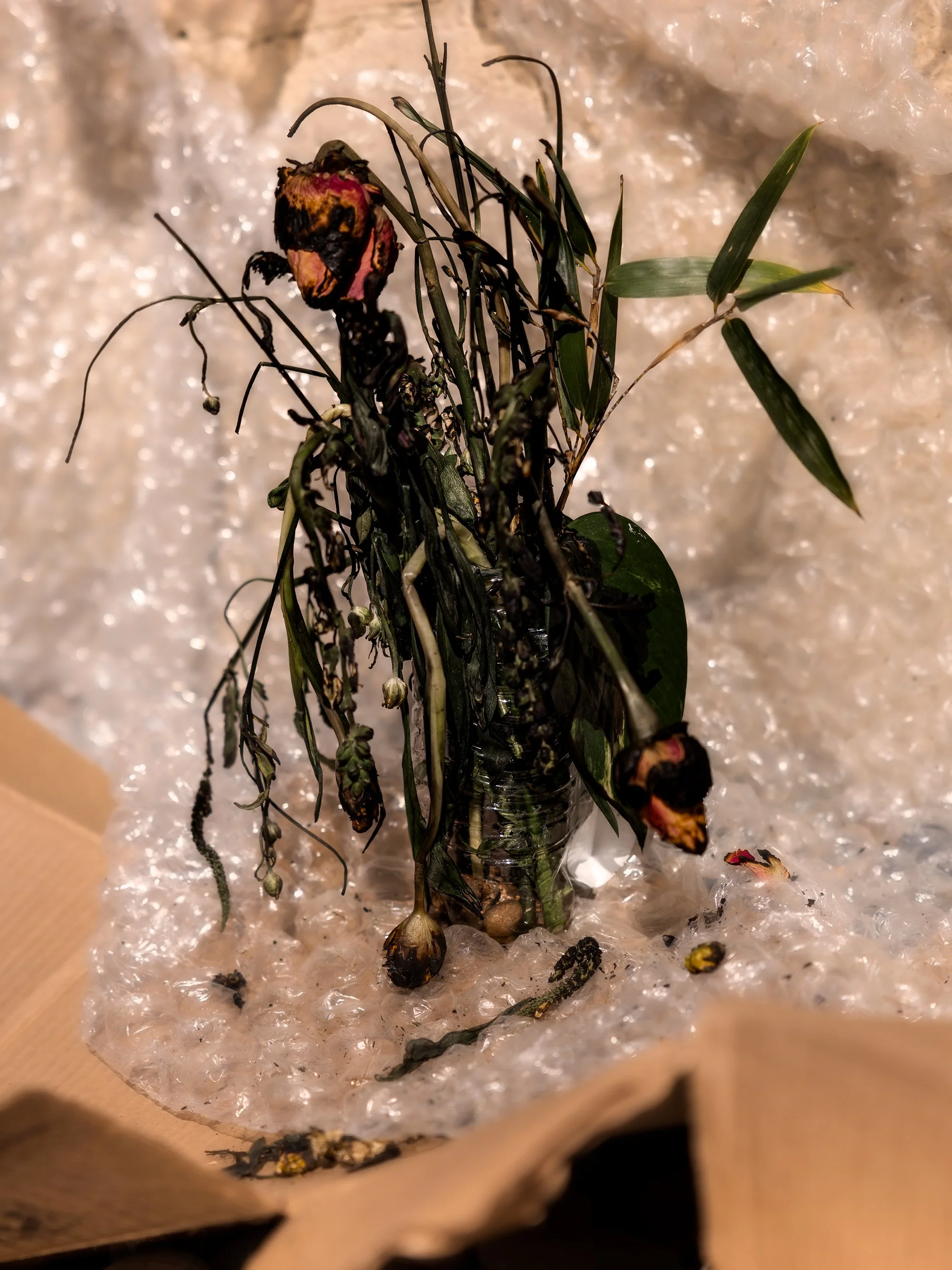
Gradually, those frameworks destabilize. A house leans against a flat horizon; a church stands without its congregation; interiors glow faintly, hollowed rather than inhabited. The work lingers on the moment before collapse. Color enters as consequence. Fire moves across ridgelines; burned structures remain as accumulations rather than singular events. Animals appear as still portraits, complicating distance and introducing a quiet, accusatory presence.
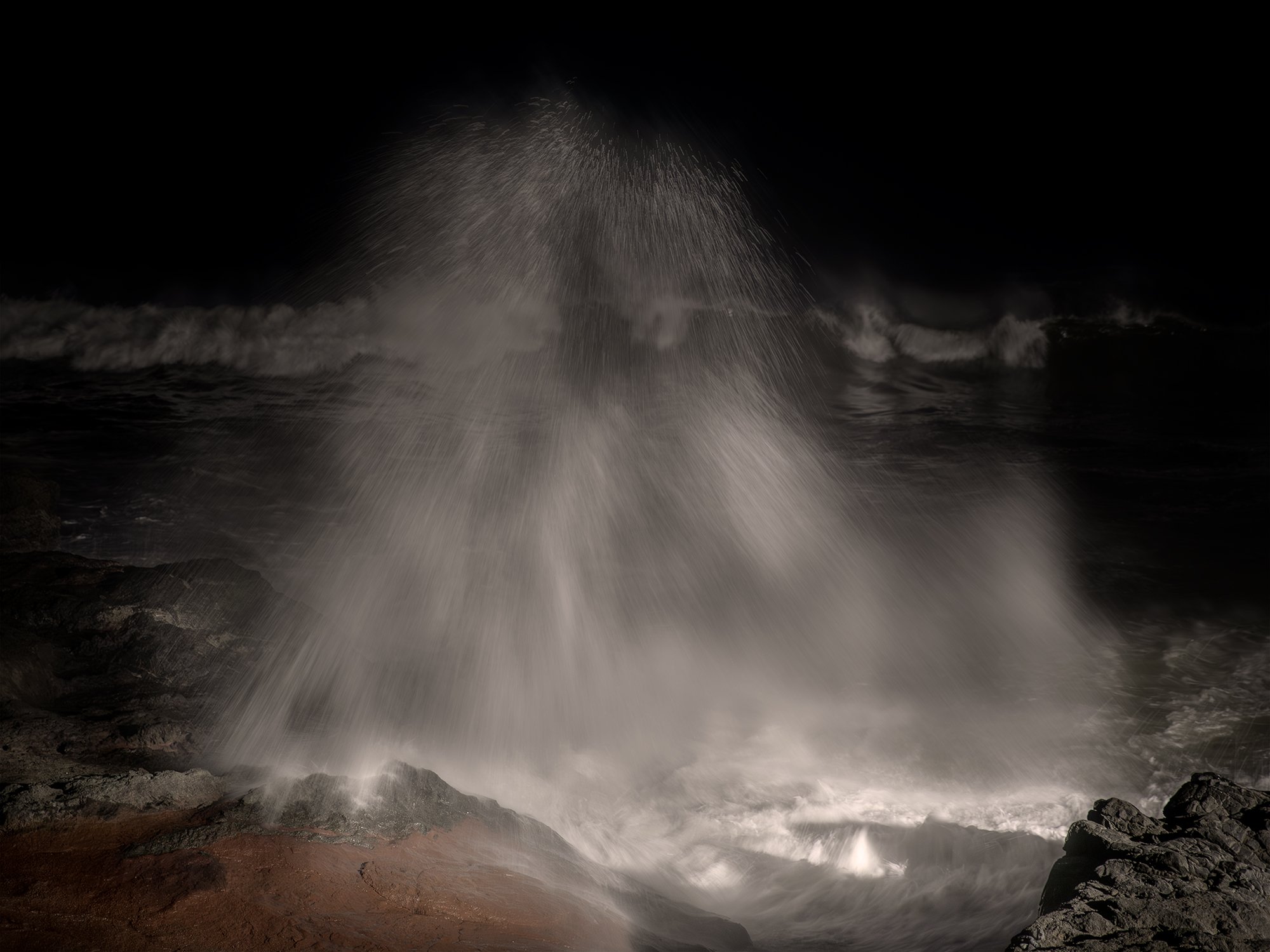
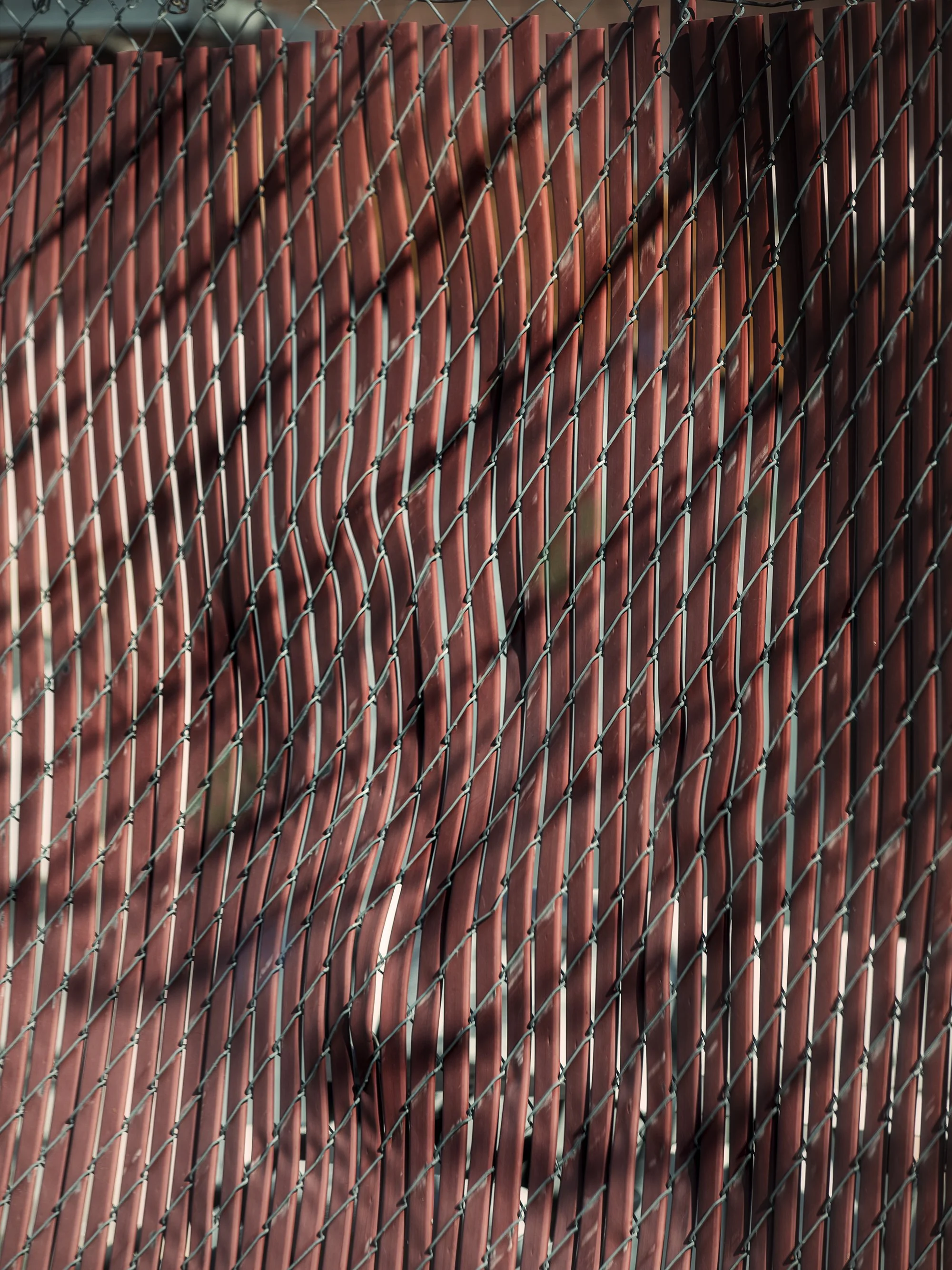
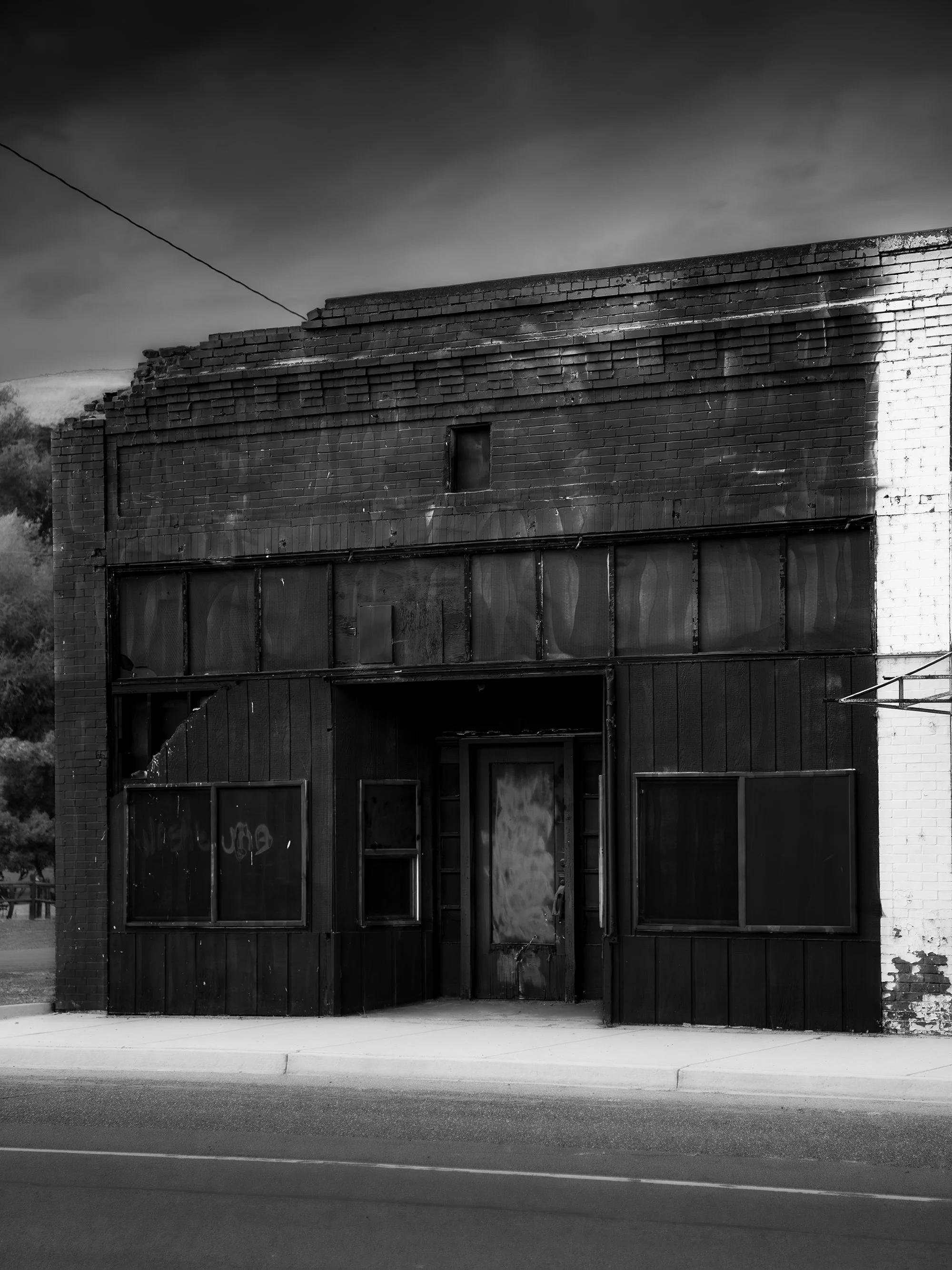
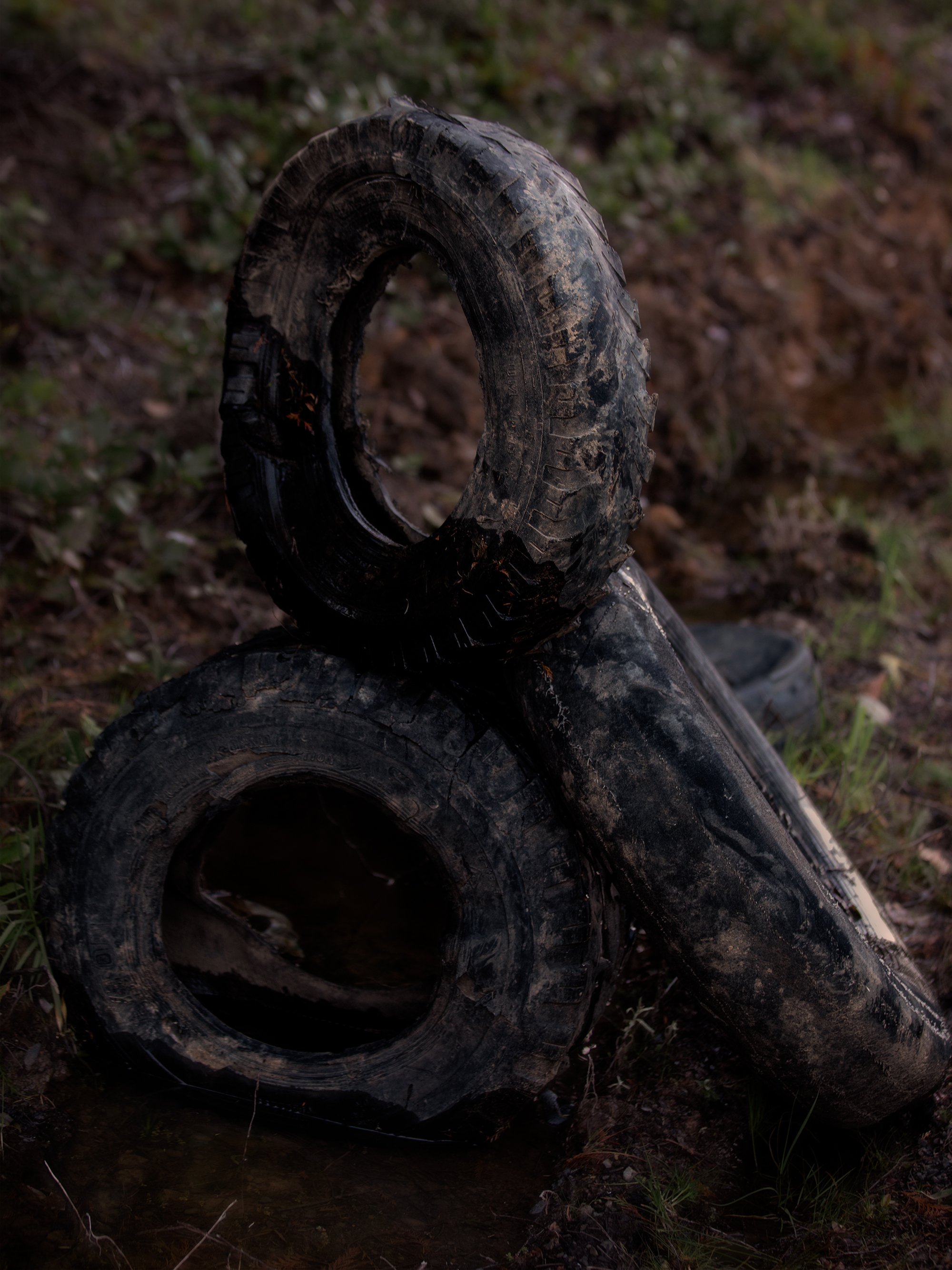
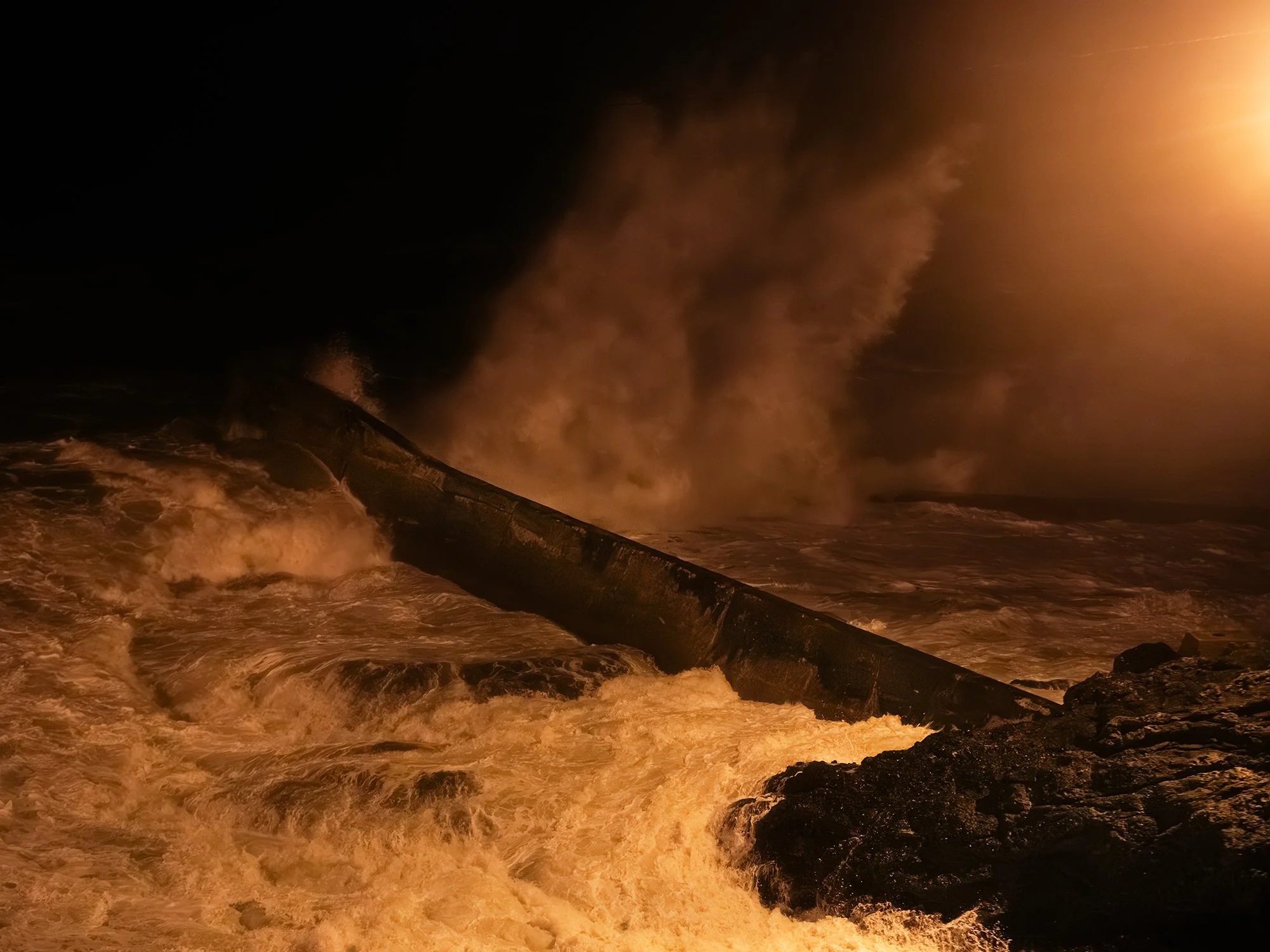
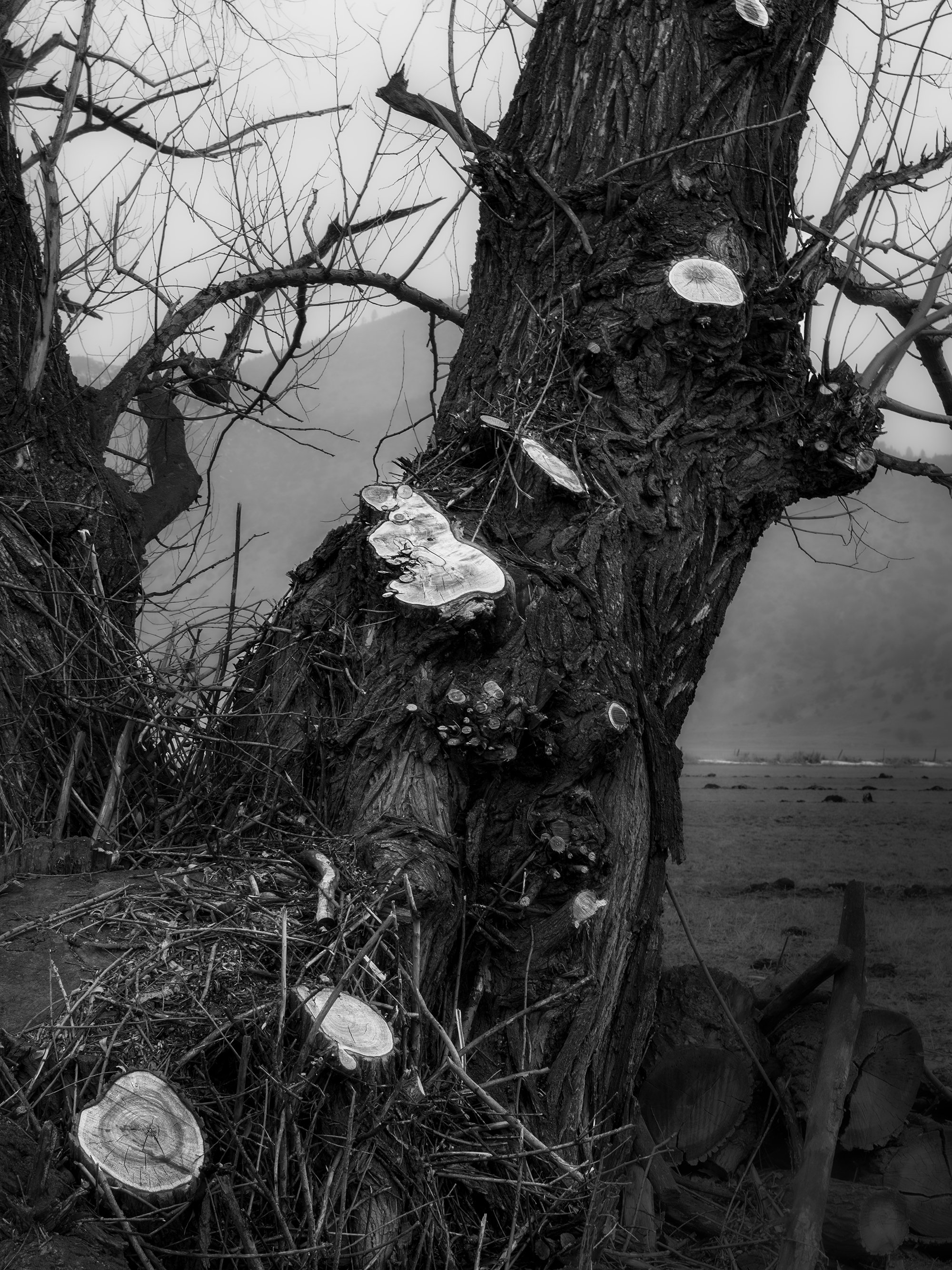
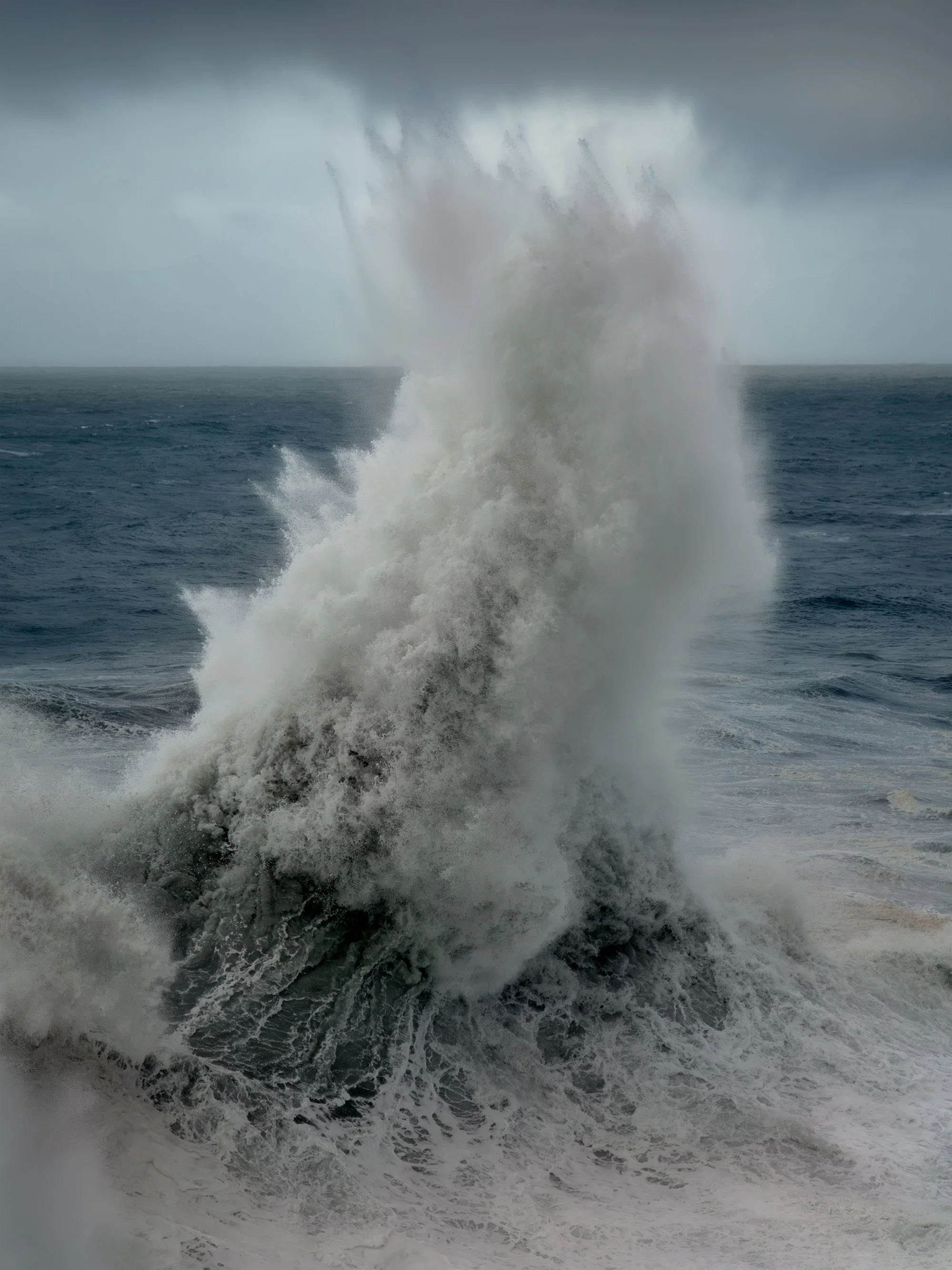
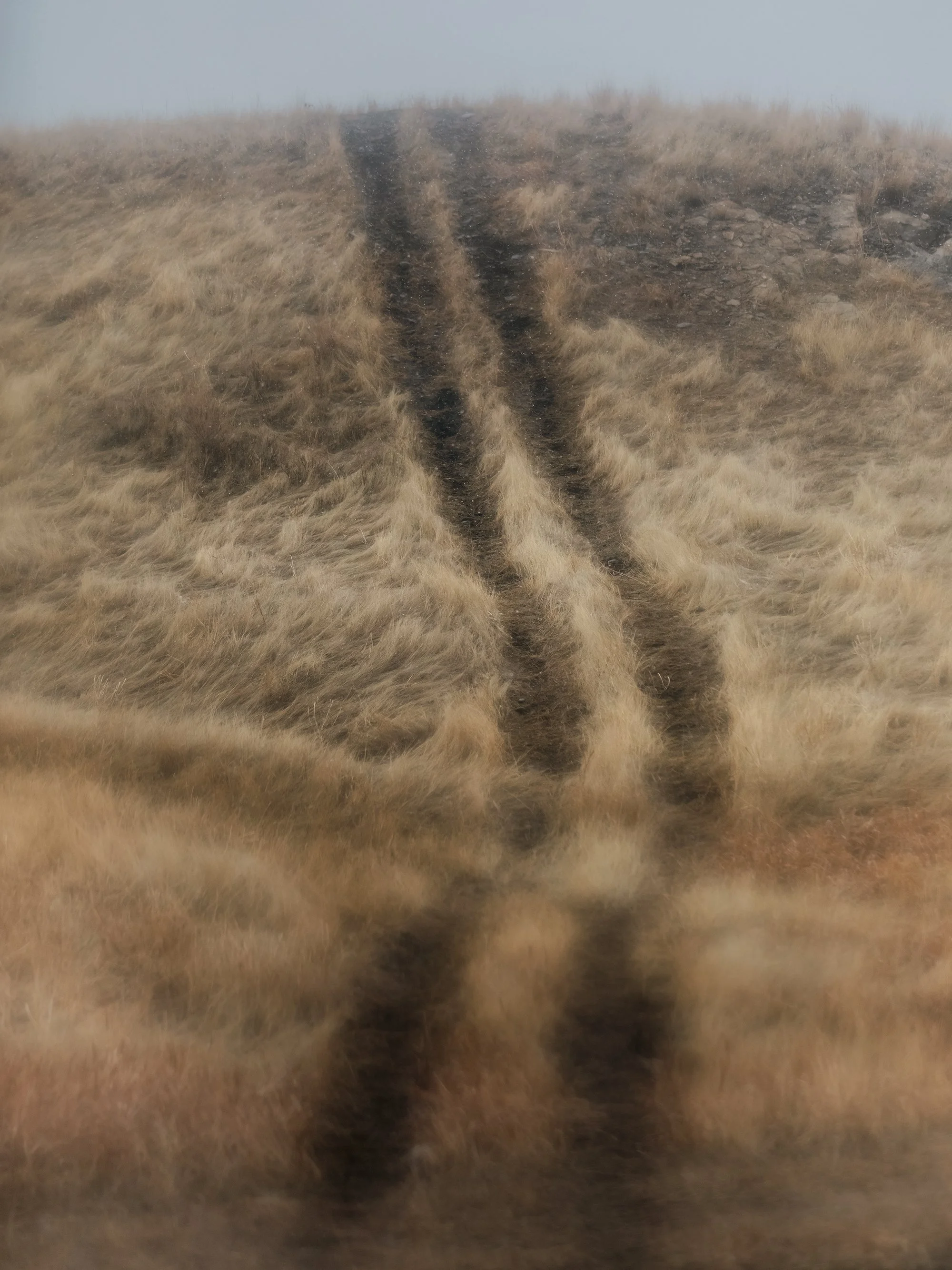
A recurring vocabulary of obstruction—boarded windows, fences, blackened facades—suggests blindness as something incremental. Nothing fully disappears, but visibility is compromised. Water emerges as both force and conclusion. The final images dissolve into atmosphere, tire tracks fading into fog. Movement resolves into trace.
Rather than offering resolution, Turn A Blind Eye situates the viewer within the landscape. Blindness becomes not an absence of sight, but a learned way of seeing without acknowledging.